Tag Archives: Carol Thomas

#WritingWednesday with Sally Jenkins: Emotional Baggage Drop.

I am delighted to offer a warm publication week welcome to Sally Jenkins as she discusses emotional baggage and the benefits of letting it go. Over to you, Sally …
Emotional baggage – we all carry it, don’t we? I’m talking about the fall-out from the bad things that happen in everyone’s lives, things like relationship breakups, bereavement, redundancy and family problems. With that emotional baggage often comes physical baggage, too, such as the engagement ring that we didn’t throw back at him in the heat of the moment because why should he have it back when he’s hurt us so badly? Or maybe it’s our old workplace name badge and lanyard that used to make us feel confident and part of a team before we lost our job. Now, when we look at these objects our sense of loss and being cast aside is heightened. Our mental health suffers.

We know we should bin these objects and move on with our lives. But it’s not easy to discard something that still holds a trace of happy memories – even if those memories have mostly been soured. Emotional baggage causes stress, depression, and anger. It weighs us down and allows our past experiences to undermine our chances for a better future.

There is a solution:
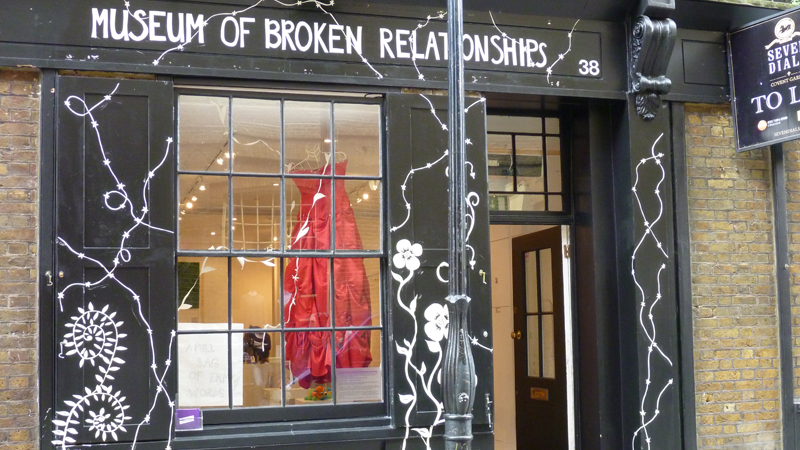
The Museum of Broken Relationships.

The Museum of Broken Relationships in Zagreb accepts and displays such emotionally-charged objects along with their stories. Donating to the museum is not as final as throwing something away but it puts the object out of reach, thus preparing the ground for a fresh, confident new start in life.

Ten years ago, I read an article about the Museum of Broken Relationships and it became the inspiration for a series of short stories, which in turn became the novel, Little Museum of Hope. In the story, Vanessa is knocked for six by divorce and redundancy and is looking for a way forward in life. She hears about the Zagreb museum and opens her own version of it in Birmingham’s Jewellery Quarter in England. She names it the Little Museum of Hope and within the museum she creates the Café of the Mended Heart, which provides comfort food for those feeling emotionally fragile. Vanessa offers donors the chance to offload their stories as well as their objects and, as they say, a problem shared is a problem halved.

But the museum has only ten months to start turning a profit and Vanessa is faced with another challenge when her ex-husband, who still owns half of the marital home, reappears. Plus, her terrible baking means that she is losing money buying-in cakes for the café.

Donors to both the real-life Museum of Broken Relationships and the fictional Little Museum of Hope make the decision to stop letting their emotional baggage rule their lives. They recognise the need to stop dwelling on what might have been and focus on positivity for the future. I hope all the readers of Little Museum of Hope will take inspiration from the stories of the museum donors, cast aside their own emotional (and physical) baggage and move towards a future full of hope, positivity and love.


About Little Museum of Hope
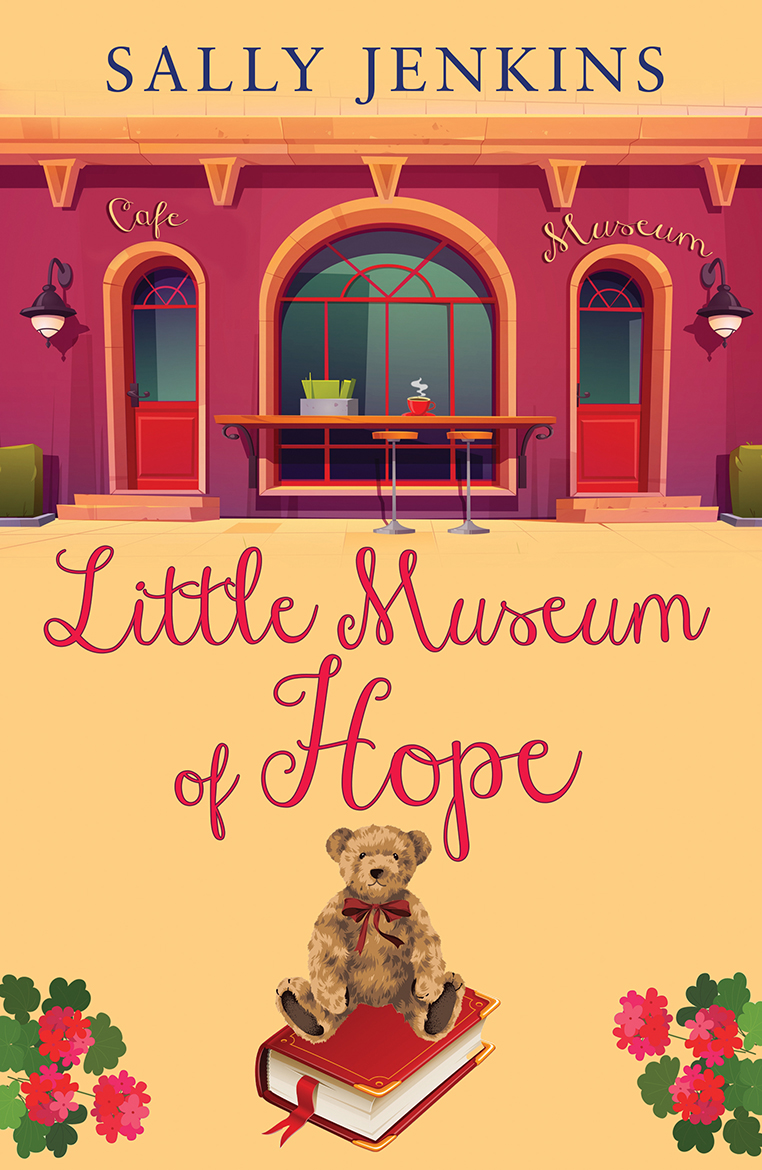
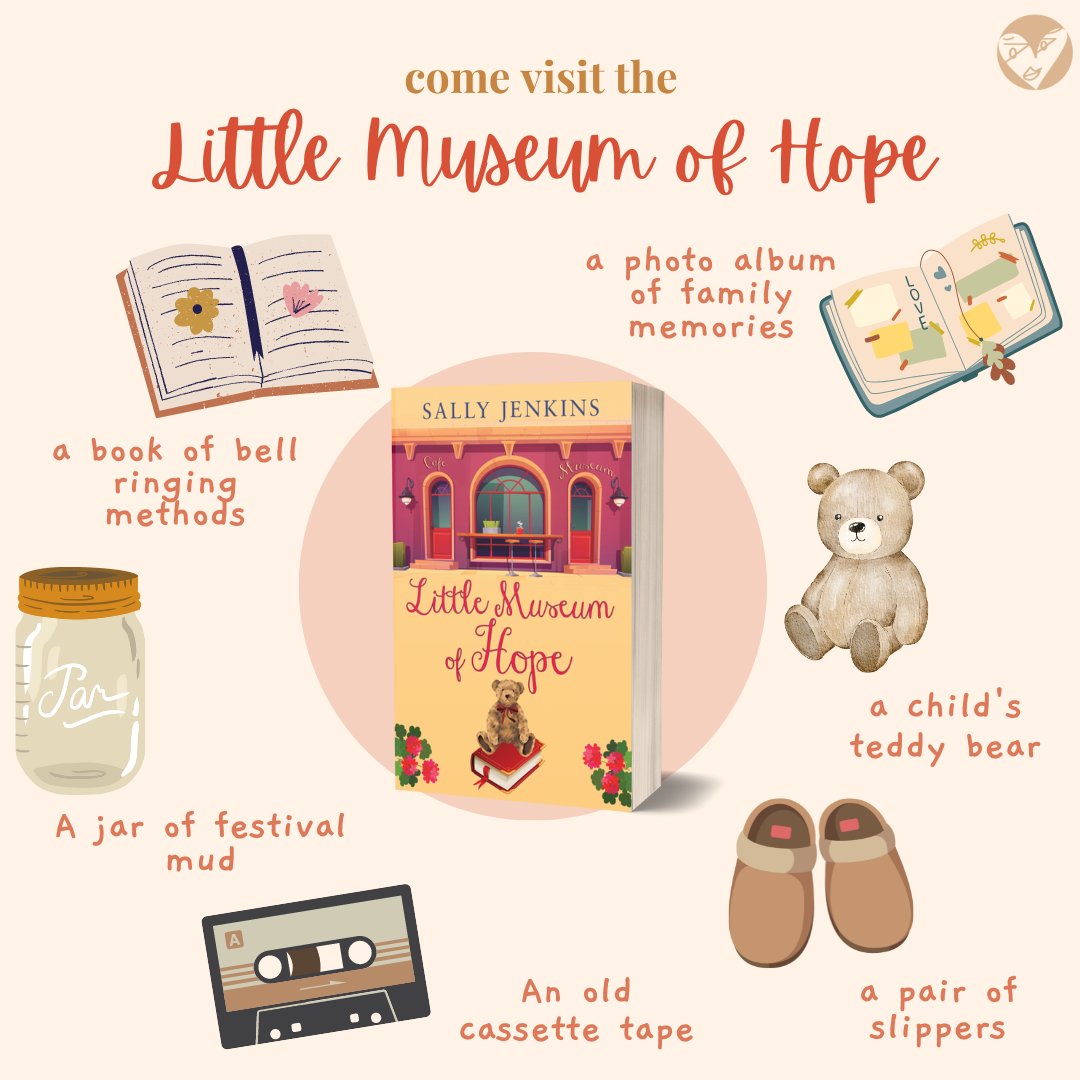
A jar of festival mud, a photo album of family memories, a child’s teddy bear, a book of bell ringing methods, an old cassette tape, a pair of slippers …

These are the items that fill the exhibit shelves in Vanessa Jones’ museum. At first glance, they appear to have nothing in common, but that’s before you find out the stories behind them …

Because Vanessa’s Little Museum of Hope is no ordinary museum – its aim is to help people heal by donating items associated with shattered lives and failed relationships and in doing so, find a way to move on, perhaps even start again.

The museum soon becomes a sanctuary for the broken hearts in Vanessa’s city, and she’s always on hand to offer a cup of tea, a slice of cake and a listening ear.

But could the bringer of Hope need a little help moving on herself?

Discover more and purchase here: Amazon


About the author:
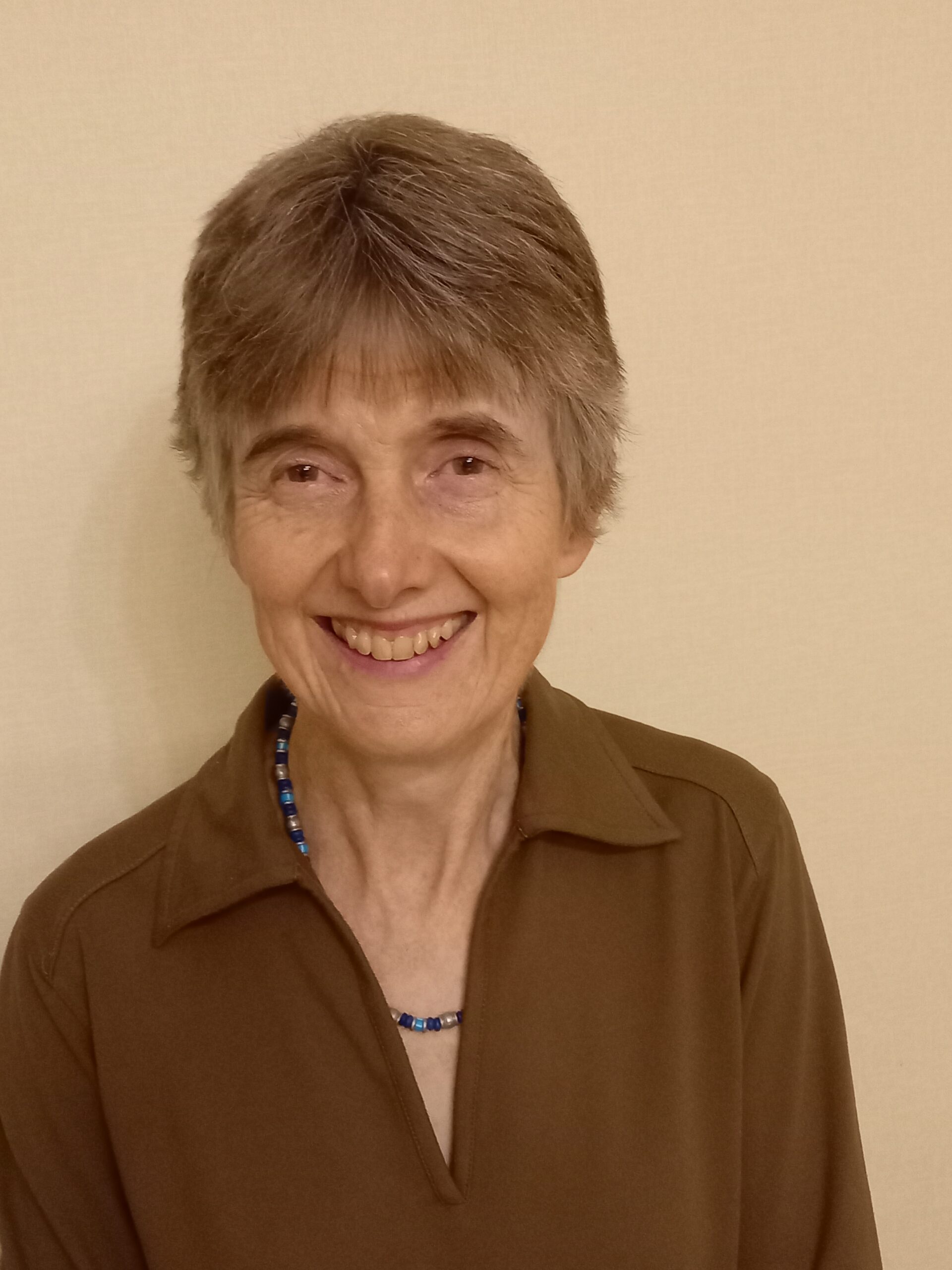
Sally Jenkins lives in the West Midlands of England. When not writing, she feeds her addiction to words by working part-time in her local library, running two reading groups and giving talks about her writing. Sally can also be found walking, church bell ringing and enjoying shavasana in her yoga class.

Discover more about Sally Jenkins and her work here: Website and Blog  | Twitter| Instagram Facebook | Newsletter

Thank you for stopping by, Sally. Little Museum of Hope sounds wonderful and I look forward to reading it. Enjoy the rest of your publication celebrations. xx
Location, Location, Location with Kirsty Ferry.

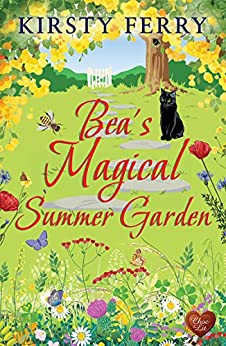
I am delighted to welcome fellow Choc Lit author Kirsty Ferry to my blog to talk about the setting of her latest novel Bea’s Magical Summer Garden.  Over to you Kirsty …

My new book, Bea’s Magical Summer Garden, features – well – a magical summer garden. I have taken some liberties with the location of the Garden and removed it plant by plant from Dilston Physic Garden, near Corbridge in Northumberland, to an unspecified location near Edinburgh in Scotland. I probably wouldn’t have located it near Edinburgh if I’d thought ahead, but I needed to do that because it is part of the Schubert the Cat series of books, which began with Every Witch Way.

Every Witch Way follows the adventures of Nessa, who lives in Edinburgh when she heads off on a Halloween road trip across Scotland to find out more about a legendary witch. I blithely gave Nessa four brothers, and when I realised each brother needed a book, the location stuck – because Schubert is an incredibly meddlesome cat and needs to be within easy access of each of his ‘uncles’ to help them find love. And I will forever be grateful to Joanne from Portobello Books, who helped me work out where pirates might have been executed on the Sands of Leith for It Started with a Pirate!

We first meet Bea, the owner of the Garden,  in the fifth book, It Started with a Wedding –  her cousin Fae is the heroine of that one; and, if you’ve read It Started with a Wedding, you’ll know why Bea’s Garden was a perfect setting for a lot of the action.

So the ‘real’ Magical Garden is quite a bit further south, but if you are ever in the area, I completely recommend you go. The place is an amazing mishmash of eclectic, scientific and spiritual; each plant, for example, has a sign in front of it telling you the folklore and magic side of things and the scientific health and wellbeing information. Dilston was created by Professor Elaine Perry, who is a prominent UK neuroscientist and is one of the most interesting and lovely people I have ever met. The first time I set foot in Dilston, I knew it had to appear in a book someday.

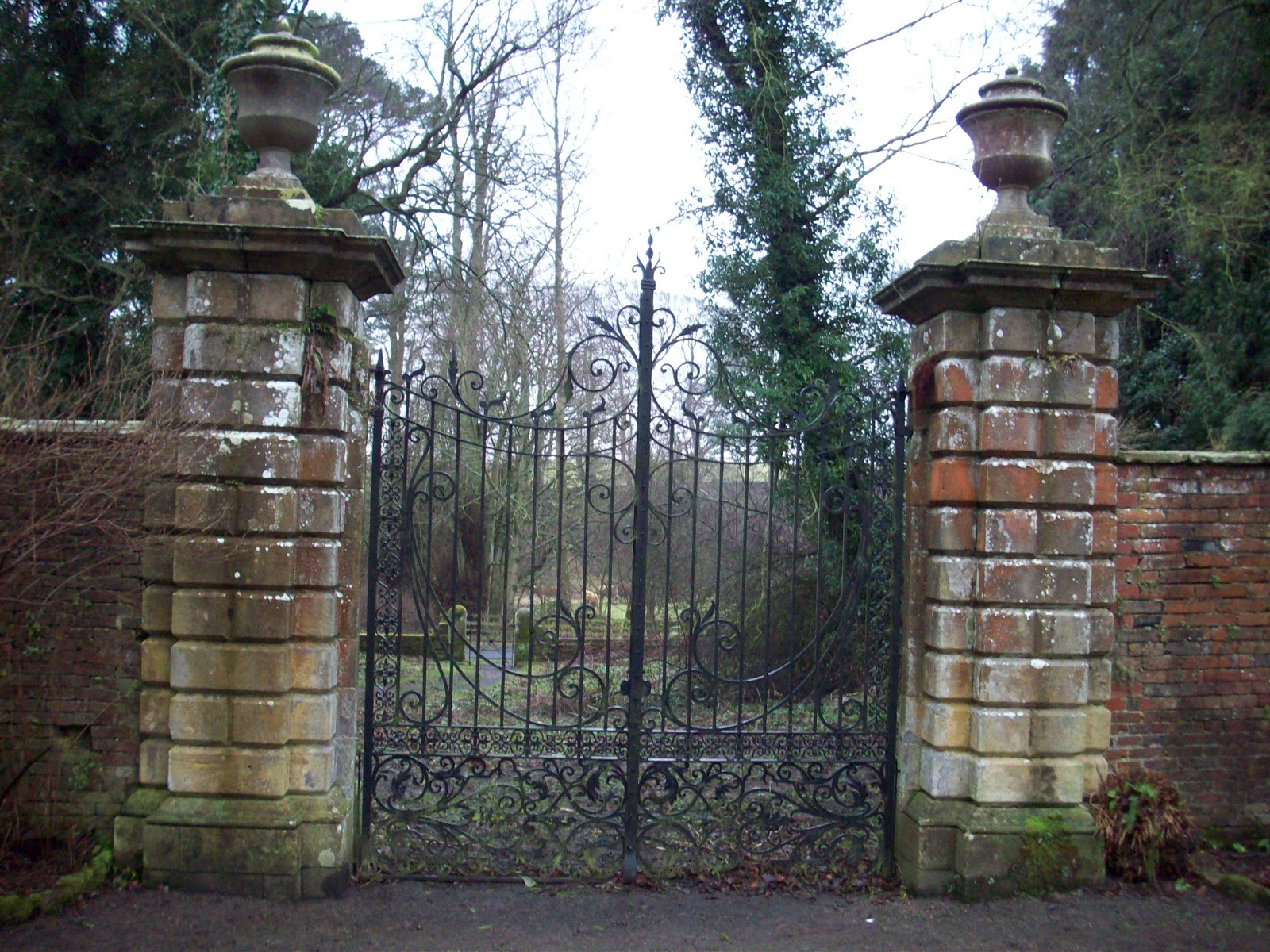
The wider estate that Bea’s Magical Summer Garden is set on, Glentavish Estate, is completely out of my imagination. The hidden gates that separate Glentavish House from Bea’s Garden owe a lot to ideas that sparked when I first read The Secret Garden by Frances Hodgson Burnett as a child, and maybe look more like something from Wallington in Northumberland, only with a higher wall!

Wallington in Northumberland

The Temple to the Four Winds that is alluded to in the book was inspired by the one at Castle Howard – only it is much, much smaller. When you read the book, you’ll get the idea why that had to be so!

The Temple to the Four Winds at Castle Howard.

I could genuinely draw you a map of how the ‘estate’ looks in my mind, but then it might spoil it for your imagination. I do hope you’ll read the book, though, and see it the way I see it. Because then I’ll know I’ve done a decent job writing it…and the locations might make sense when they are all plopped down in Schubert’s world.

This is the website for the real Magical Garden if you want to check it out: Dilston Physic Garden.

About the book

What’s not to love about Bea’s Garden?
Its higgledy-piggledy layout, fascinating plants and occasional resident black cat makes it the most charming place to visit on a sunny afternoon. Plus Bea has bees – and her Honey Festival is sure to create a buzz.

But not everyone thinks Bea’s Garden is the bee’s knees.

The Man at the Big House next door has been a thorn in Bea’s side for the longest time, with his unnecessarily snippy letters about her beautiful climbing plants ruining his ‘clean lines’. Could he and his poisonous project manager Carla pose problems for her Festival? Or can Bea rely on the Man’s cousin – and her newest annual pass holder – Marcus Rainton to fight her corner?

With bee best friends, big black cats, a secret garden gate and a surprising identity reveal, Bea’s Garden is surely in line for its most magical summer yet!

Buying Links can be found here: Kirsty Ferry (choc-lit.com)

About the author:

Kirsty Ferry is from the North East of England and lives there with her husband and son. She won the English Heritage/Belsay Hall National Creative Writing competition in 2009 and has had articles and short stories published in various magazinesHer work also appears in several anthologies, incorporating such diverse themes as vampires, crime, angels and more.

Kirsty loves writing ghostly mysteries and interweaving fact and fiction. The research is almost as much fun as writing the book itself, and if she can add a wonderful setting and a dollop of history, that’s even better.

Her day job involves sharing a building with an eclectic collection of ghosts, which can often prove rather interesting.

You can follow Kirsty and find out more about her work here: Facebook | Twitter | website | blog 

Thank you so much for stopping by my blog, Kirsty, and for sharing this insight into the setting of Bea’s Magical Summer Garden. xx

Location, Location, Location with Caroline James.

I’m pleased to welcome Caroline James to my blog, not least because her post is going to whisk us away for some Easter sun as she tells us all about her forthcoming novel, The Cruise, and the inspiration behind its exotic setting. Over to you, Caroline …

A Caribbean sunset.

‘Can you write a romcom, set in an exotic location, about three friends in their sixties, heading off on a luxury cruise?’

That was a question from my publisher when discussing the brief for my new novel, The Cruise. Yes, I most certainly could! It was a pinch myself moment when I heard the title and the subject matter. Here was an opportunity to set the novel in a place I knew well and to virtually revisit the Caribbean.

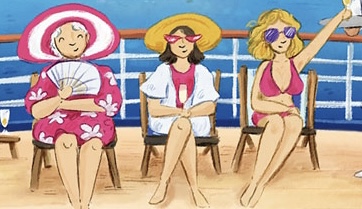
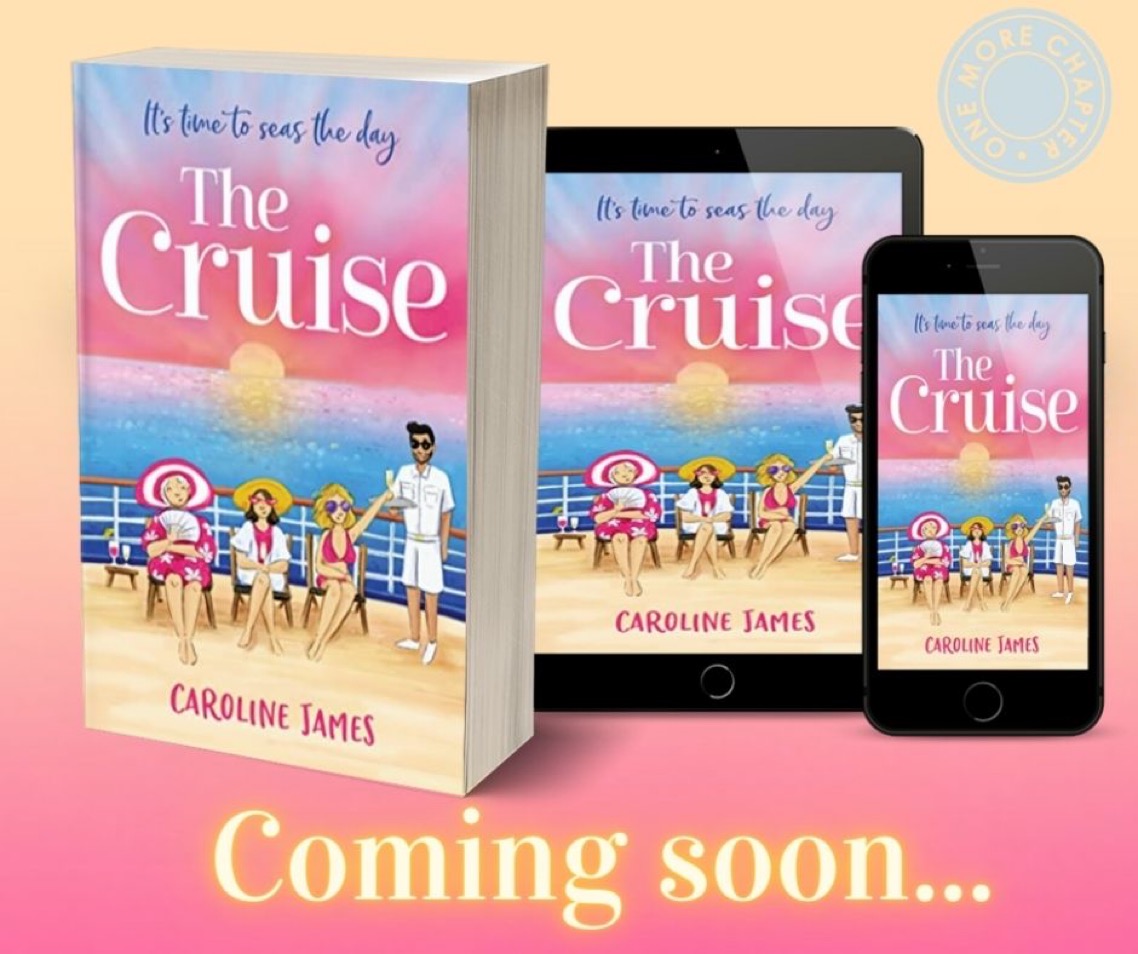
My characters are three friends in their sixties. Kath is widowed, Jane unmarried, and Anne is almost-divorced. They join the Diamond Star, a luxury ship for those of a certain age, to set sail on a Christmas cruise, little knowing how their troubled lives are about to change.

Jane, Kath and Anne.

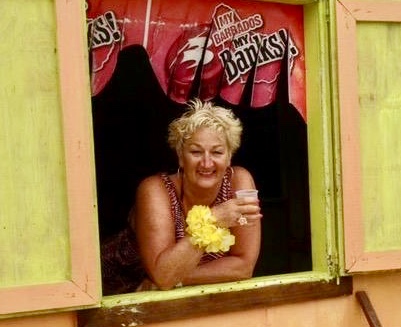
The story gathered pace as I wrote, and the ladies journeyed through the islands. I relived a time when I, too, discovered the Caribbean, when, in my early twenties, I was married to a Bajan man. We’d met when we were both working in London.

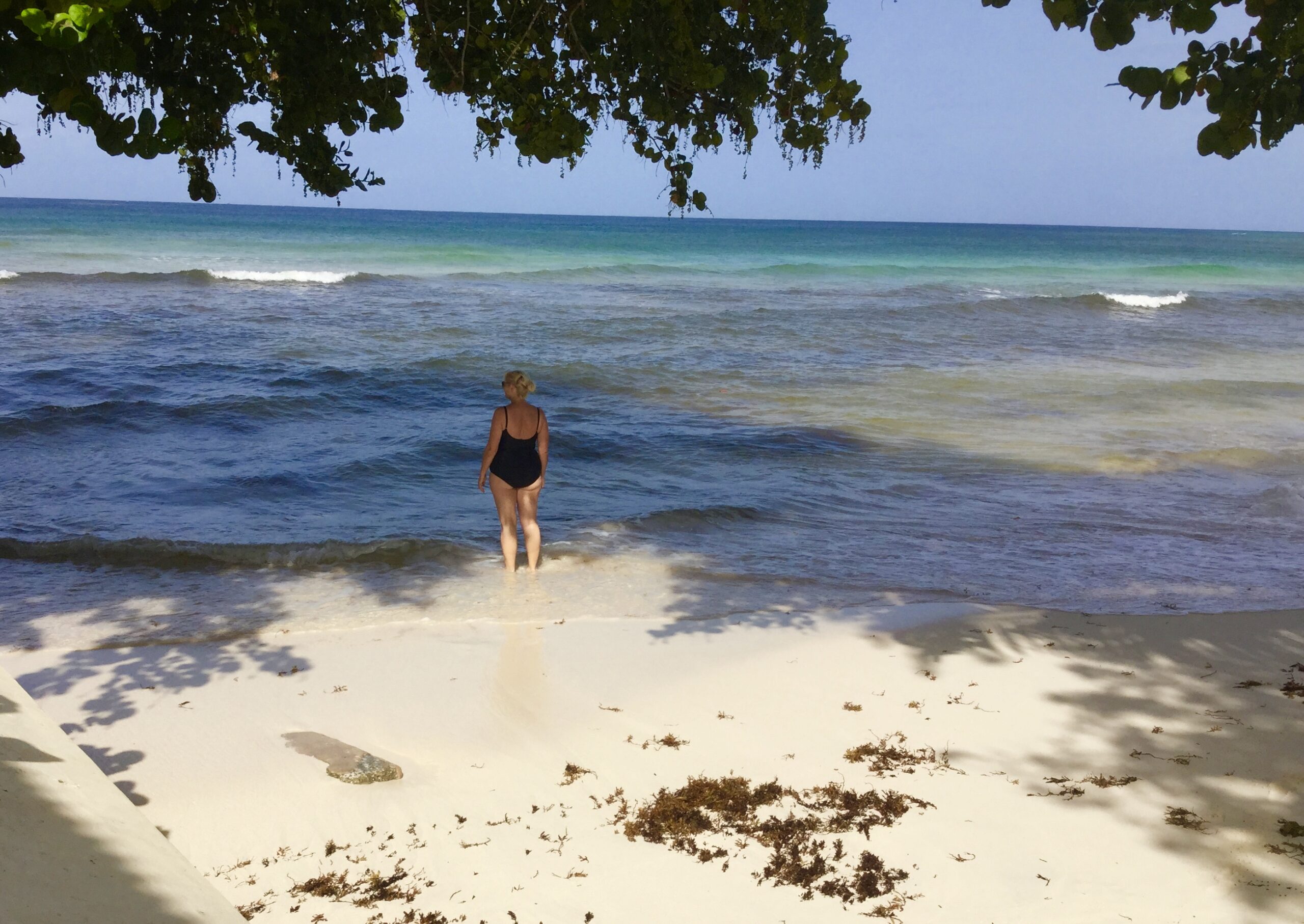
I was a naïve young girl when I first experienced life in Barbados and the islands. Still, memories don’t fade, and my recollection of those days served me well when writing The Cruise. Characters that I saved in my story bank began to come to life. Here was an opportunity to enrich the narrative, for I was familiar with the setting. I could taste the smoky rum and feel the tropical sun on my skin. I remembered the beautiful tranquil Caribbean Sea lapping soft white sands, contrasting with the wilder Atlantic rolling over miles of empty beach, where the two seas meet at northern points on some islands.

The Caribbean Sea in Barbados.

It was a joy to take my characters to markets in Martinique or an aerial tour of Antigua. I joined them on the balcony of their cabin to witness a stunning sunrise and magical sunset where the flame-like sky was hypnotic.

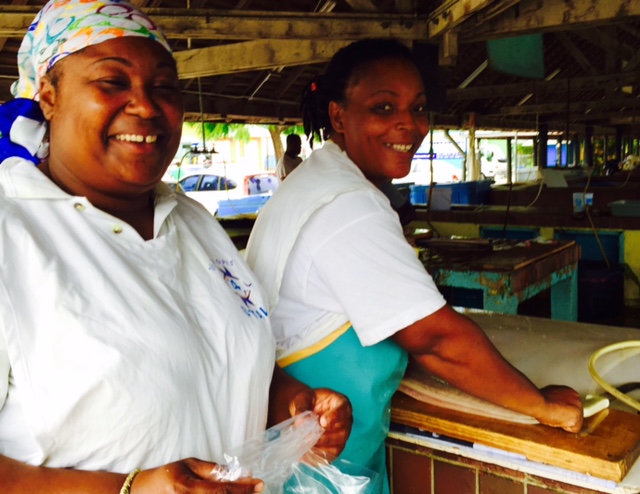
The fish market women who feature in The Cruise.

My marriage didn’t last, but I had reason to revisit the Caribbean a couple of decades later when my son owned a business there. For several years I indulged in a way of life so different from my life in northern England, and Barbados became a second home.

In The Cruise, Kath, Jane and Anne take an island tour around Barbados, and I couldn’t stop smiling as I wrote the chapter. Suddenly, incidents that had amused me on the island helped shape their tour. From the taxi driver smoking whacky baccy in his weed wagon, eating chicken feet in a rum shop, then swimming unknowingly in shark-infested waters, my ladies experience it all!

Whatever location your travels take you to, take care, safe journeys and happy reading.

With love,
Caroline. x

Thank you so much for sharing your inspiration, Caroline. It was great to hear more about the location of your novel, which is my current read, and I am thoroughly enjoying it. As you would say, I am sure it is going to fly! xx

THE CRUISE

 
Three friends set sail on a luxury cruise…

Will they be able to catch a husband on the open seas?

When widowed Kath, unmarried Jane and almost-divorced Anne decide to set off on a Caribbean cruise, they have no idea how their lives are about to change! The friends leave behind heartache and disappointment and, determined to find Anne a new husband, swap Christmas turkeys and BBC reruns for crystal waters, white sandy beaches and smooth golden rum. Throwing caution (and tradition) to the wind, they begin to husband hunt on the luxurious cruise ship. But will Anne get her wish, and will the friends find the comfort and joy they seek aboard the Diamond Star? With a cast of colourful characters from naturist Bridgette, con-artist gigolo Dicky and Londoner Selwyn, who is letting his old life go as he too embraces the new – all is revealed in this sparkling new novel by Caroline James.

The Cruise – Publishing as an eBook on 20th April 2023 / Paperback July 6th 2023

Publisher: One More Chapter for Harper Collins UK

Links:  AmazonApple BooksKobo


 About the author: 

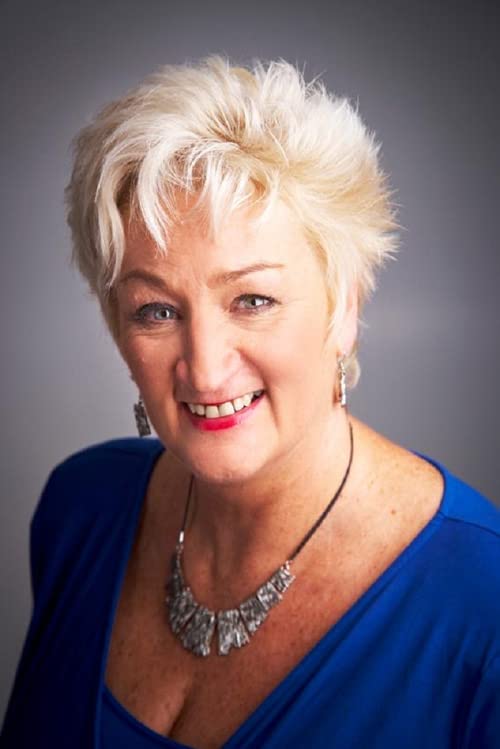
Best-selling author of women’s fiction, Caroline James has owned and run businesses encompassing all aspects of the hospitality industry, a subject that often features in her novels. She is based in Lancashire but has a great fondness for travel and escapes whenever she can. A public speaker, which includes talks and lectures on cruise ships, Caroline is a member of the RNA, the SWWJ and the SOA. In her spare time, Caroline likes to swim in a local lake or walk with Fred, her Westie.

Books by Caroline James: The Spa Break | Hattie Goes to Hollywood | Boomerville at Ballymegille | The Best Boomerville Hotel | Coffee Tea the Gypsy & Me | Coffee Tea the Chef & Me | Coffee Tea the Caribbean & Me | Jungle Rock

Discover more about her novels or contact Caroline here: Website | Twitter | Facebook | BlogAmazon Author PageNewsletter sign upBookBub Profile


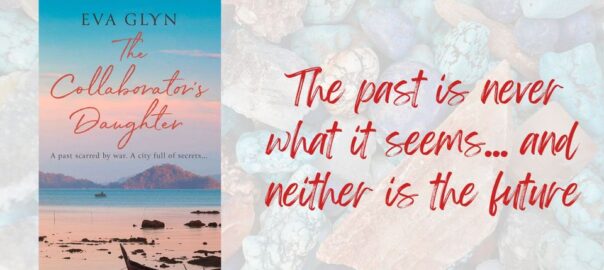
Review of Eva Glyn’s The Collaborator’s Daughter.

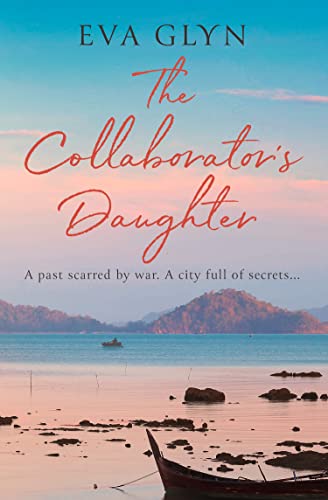
My writing buddy, Eva Glyn, who also writes as Jane Cable, has a wonderful new book coming soon. The Collaborator’s Daughter is a dual-timeline novel set in Dubrovnik. Eva will be stopping by my blog on May 5th to talk about the setting of the novel, but as I have recently finished reading an advance copy of this book, I couldn’t wait to share my review.

The blurb:

In 1944 in war-torn Dubrovnik, Branko Milisic holds his newborn daughter Safranka and wishes her a better future. But while the Nazis are finally retreating, the arrival of the partisans brings new dangers for Branko, his wife Dragica and their new baby…

As older sister to two half-siblings, Fran has always known she has to fit in. But now, for the first time in her life, Fran is facing questions about who she is and where she comes from.

All Fran knows about her real father is that he was a hero, and her mother had to flee Dubrovnik after the war. But when she travels to the city of her birth to uncover the truth, she is devastated to discover her father was executed by the partisans in 1944, accused of being a collaborator. But the past isn’t always what it seems…

Published by One More Chapter.

My review:

There is much to like about this well-researched, dual-timeline novel. Set largely in Dubrovnik in 1944 and 2010, the story follows sexagenarian Safranka, who seeks to discover the truth about her father’s life and the circumstances of his death. Fran is a likeable character, she is quick to jump to conclusions at times,  but I enjoyed her journey of discovery (in more ways than one). The people she encounters in Dubrovnik are mostly welcoming; I particularly liked Jadran, who plays a significant role in her search.

The author’s depiction of the setting transported me to Dubrovnik in both time and place. I was drawn into the story, reading it over a weekend as I willed Fran to find and recognise the truth she was searching for. Based on real events, the impact of war is shown through the far-reaching consequences for all of those touched by it; because of this, it is an emotional read.

Preorder The Collaborator’s Daughter here.

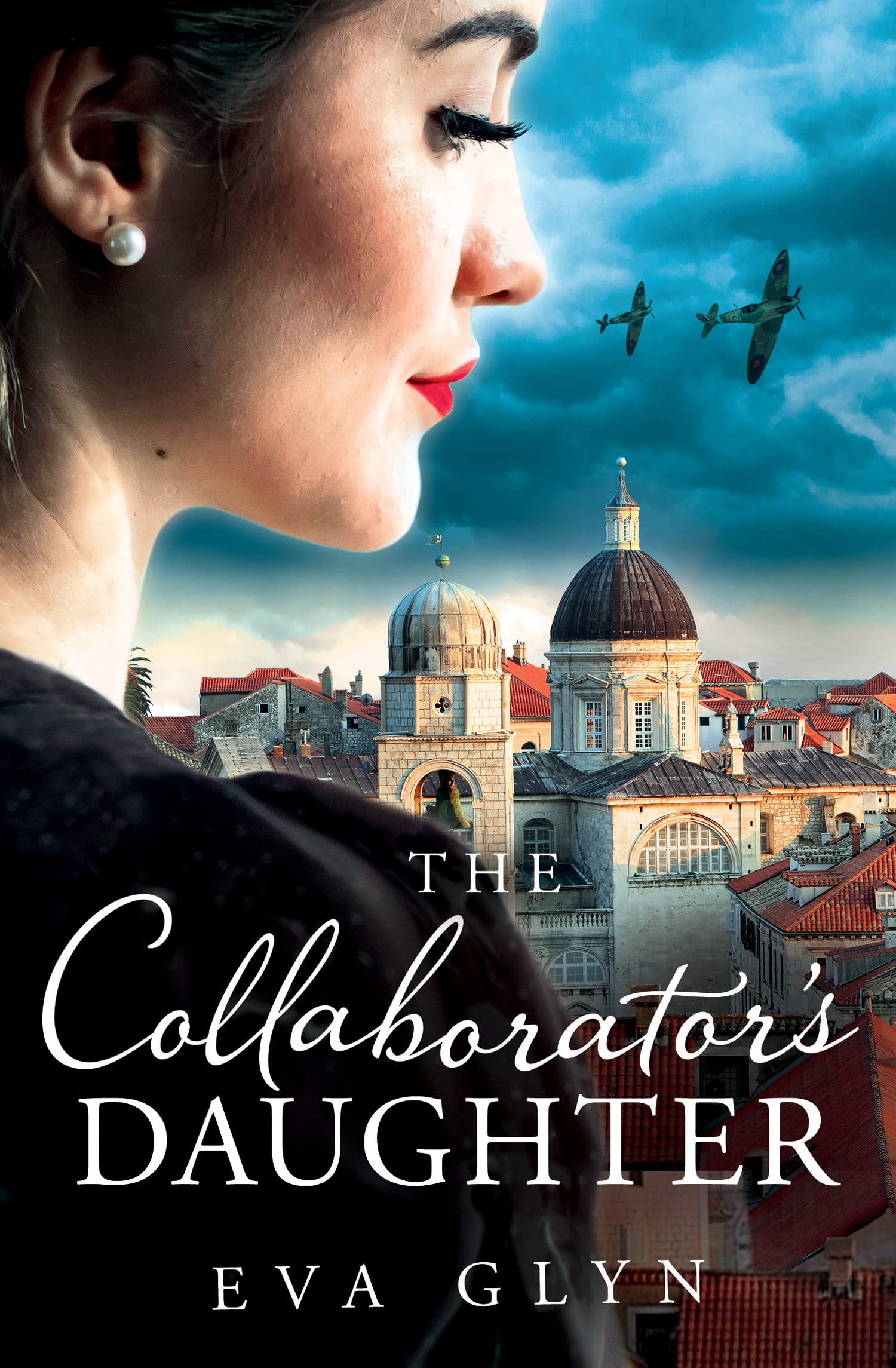
(US cover)

You’ll notice I have shared both the UK and US covers. As I read, my kindle showed the US cover, it is my favourite as a result. Which do you prefer? Either way, you can enjoy the same great story within the cover.


About the author:

Eva Glyn writes emotional women’s fiction inspired by beautiful places and the secrets they hide. She loves to travel but finds inspiration can strike just as well at home as abroad. Her books are published by One More Chapter, an imprint of Harper Collins.

Although she considers herself Welsh, Eva lives in Cornwall with her husband of twenty-six years. She also writes romance with a twist of mystery as Jane Cable.

Discover more about Eva Glyn: Facbook | Instagram | Twitter | Newsletter sign up 


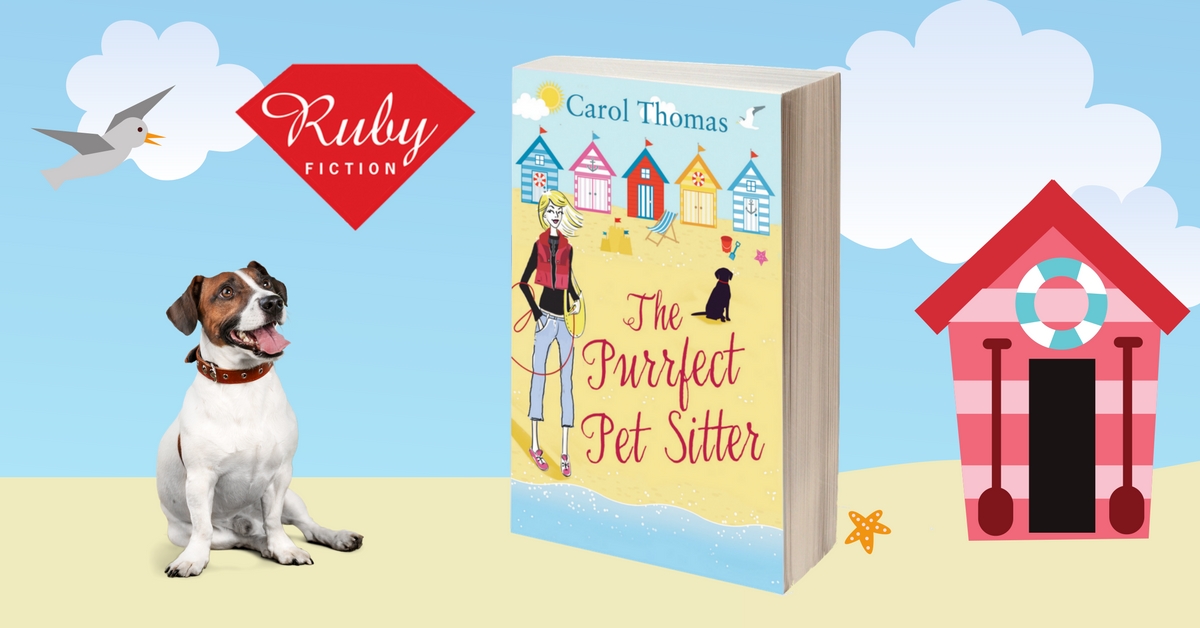
In other news, my romantic comedy, The Purrfect Pet Sitter is 99p for a limited time only.  

Find out what happens with Lisa Blake rediscovers the one she let get away!


Location, Location, Location with Francesca Capaldi.

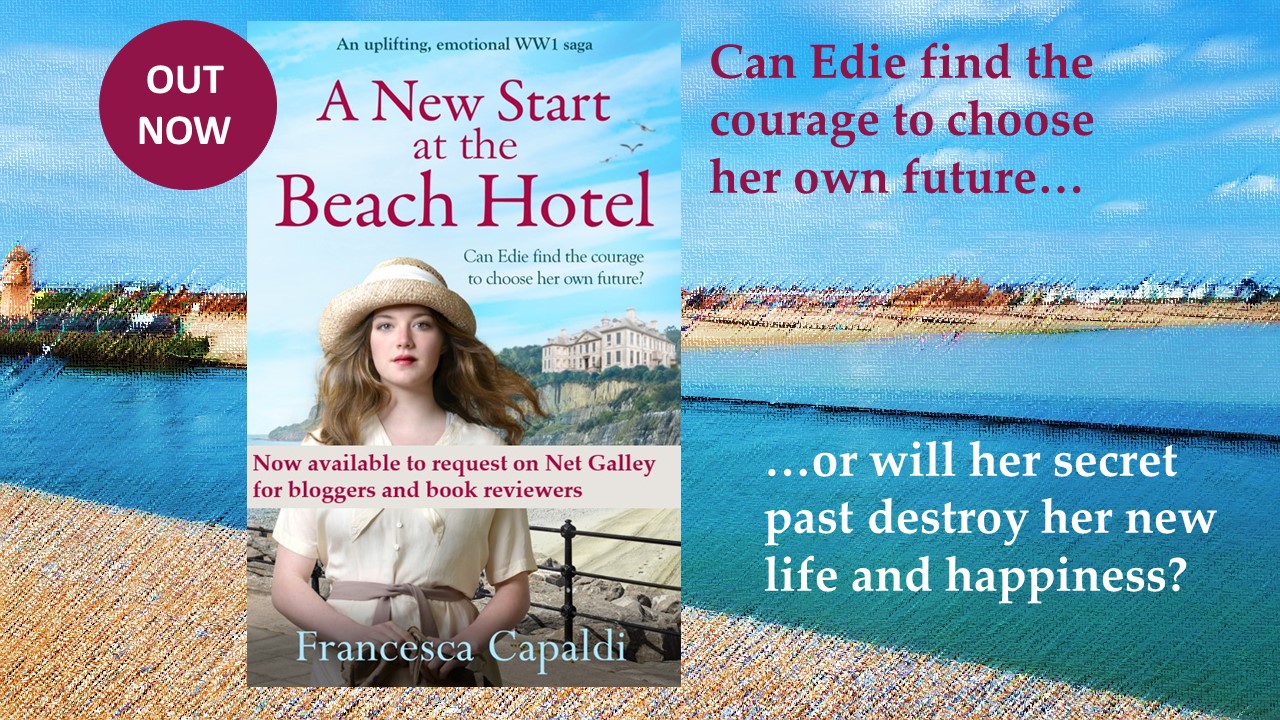
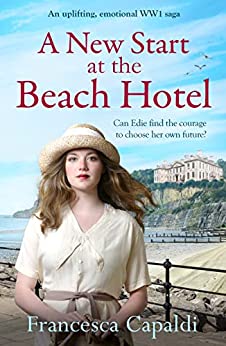
Having lived in Littlehampton my whole life, I remember the Beach Hotel that once stood on the green at the seafront, and so I was intrigued to hear a radio interview in which Francesca Capaldi spoke about her historical novel, A New Start at the Beach Hotel, set in Littlehampton. Curious to know more, I invited Francesca to come on my blog and share the inspiration behind the setting of her latest novel.
Over to you, Francesca …

Thank you for inviting me, Carol. When I start a book, the idea begins with a certain character and something that has happened to them. But with A New Start at the Beach Hotel, set in 1914/15, the idea grew out of the setting.

I was coming to the end of the Wartime in the Valleys series and was keen to set the next one in Littlehampton in Sussex, where I grew up. I recalled the impressive-looking hotel on the common leading up to the beach, which had always fascinated me as a child and teenager, and it seemed the perfect setting. Luckily, my publisher, Hera Books, thought so too!

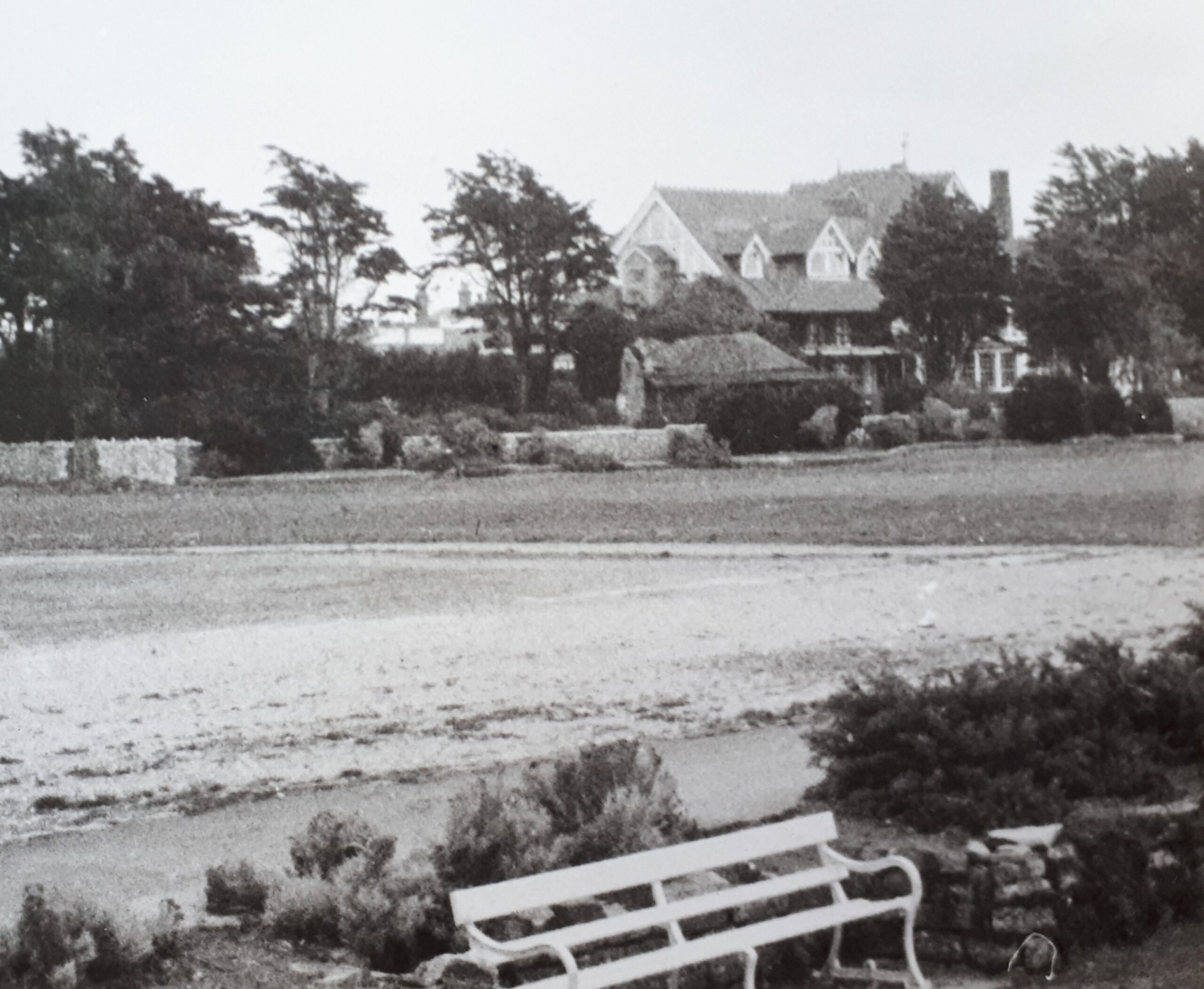
The Beach Hotel in the 1960s.

I’d never been inside the Beach Hotel and, sadly, it was pulled down in 1994; a crescent of flats was built in its place. All I had was several photographs of the outside, including some taken in the Edwardian era and one taken by my father, plus a list of staff in the 1911 census. In a way, that was better, as I was able to set it out inside in the way I wanted it, the dining room, conservatory, ballroom and so on, along with the staff quarters.

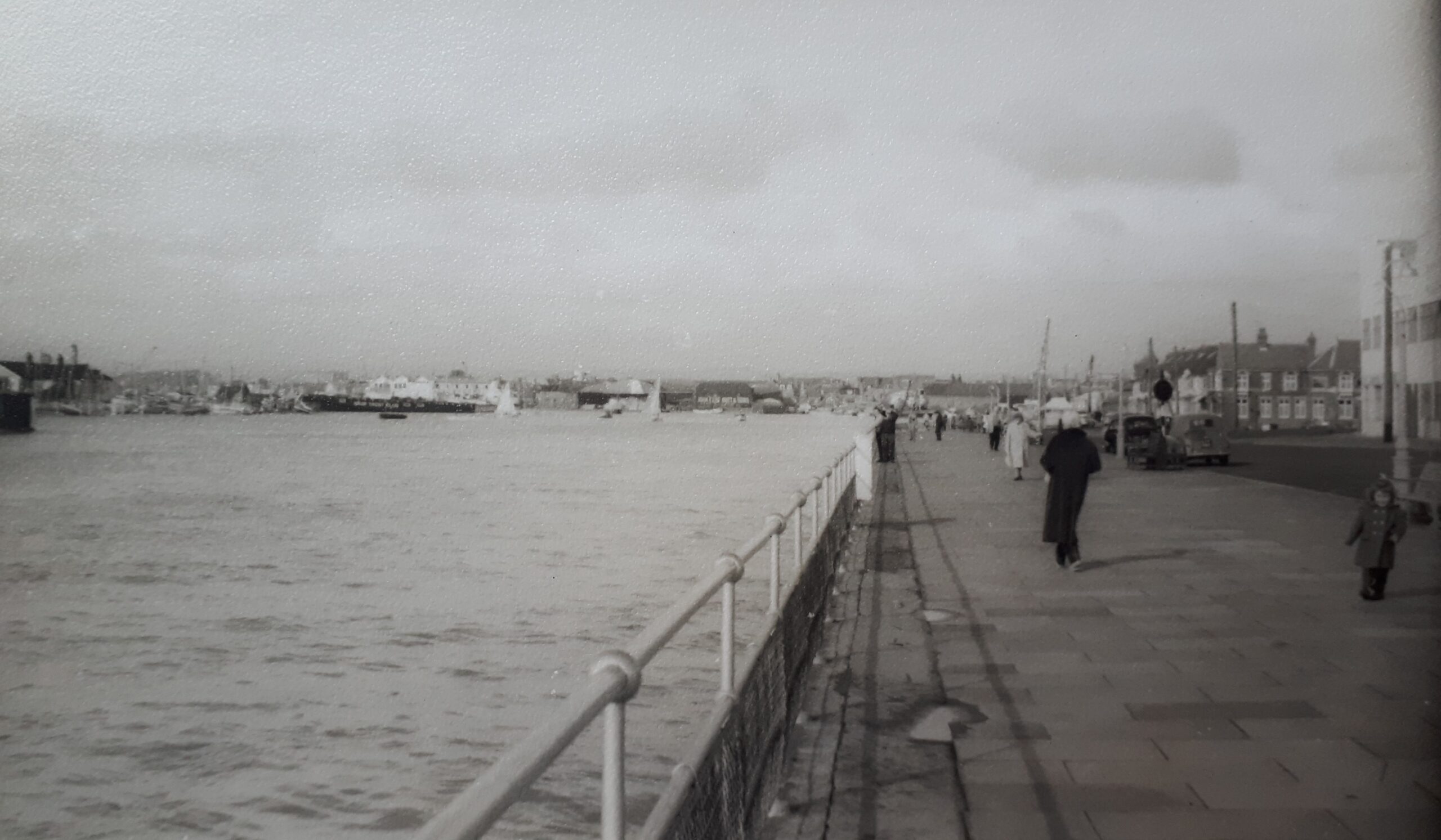
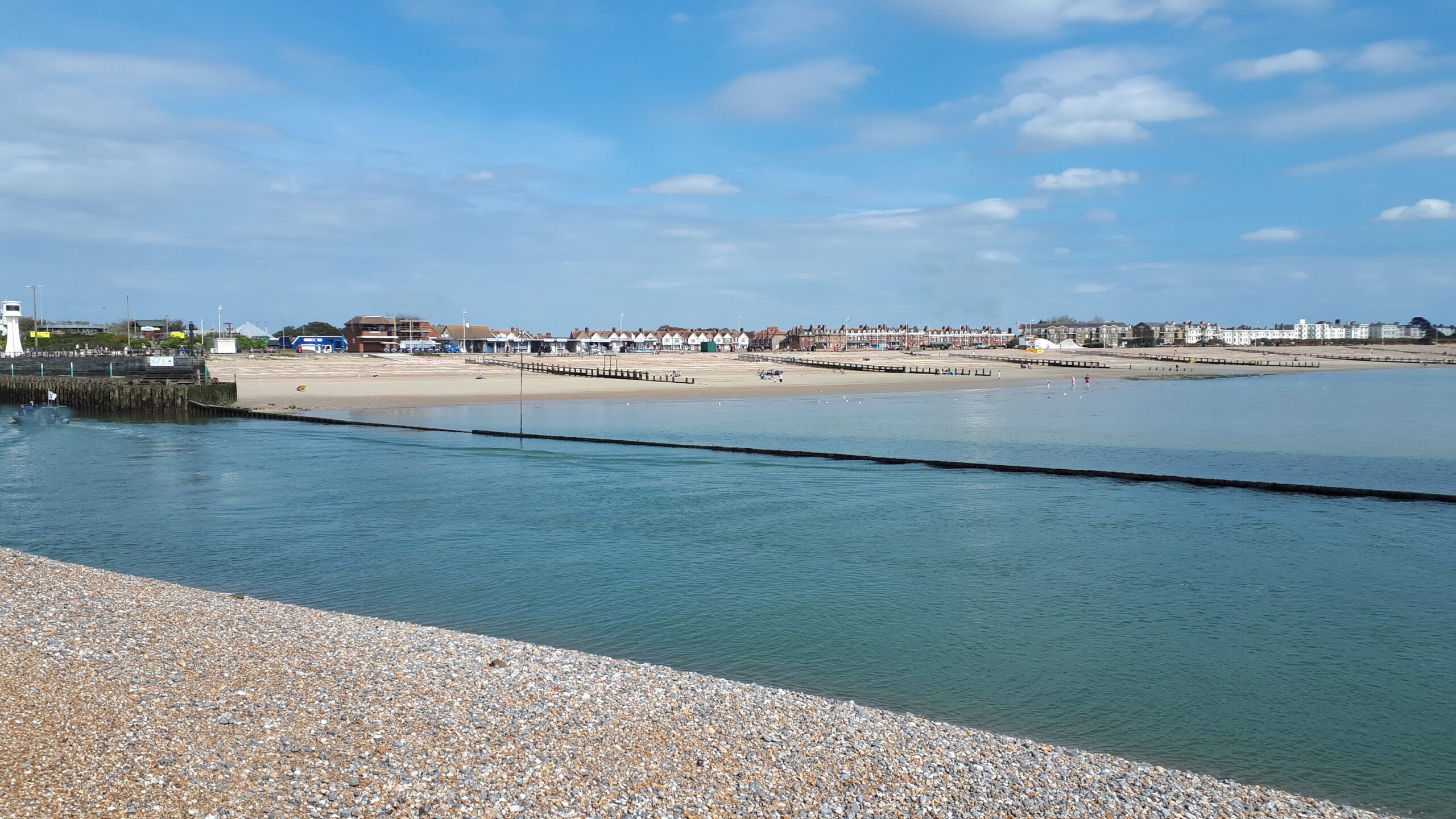
A New Start at the Beach Hotel doesn’t only take place in the hotel, of course, but in other parts of Littlehampton too. Edie, Charlie and Lili often go for walks by the beach and River Arun. Photos reveal many more activities on the beach and promenade than you’d find today. And the bandstand has gone. The tiny pier is the same, but the buildings near it, a Kursaal (later Casino Theatre), a windmill, tearoom and coast guards’ cottages, were pulled down in the early 1930s to make way for a Butlins indoor funfair. It’s now an outside amusement park. The path running past the river back in the 1910s was still level with the river’s shore, which was fully accessible, but that would be changed only a decade or so later. The warehouses, along both sides of the river in Edie’s time, are all long gone, though I do recall a few from my childhood.

The Littlehampton riverside in the early 1960s.

The characters sometimes have afternoon tea at the Harbour Tea Rooms. This did exist, sitting among the row of fisherman’s cottages next to the riverside on Pier Road, which was filled with fishermen, nets and boats. Fifteen-odd years later, that row was completely rebuilt, and many of the buildings became cafés. My father’s café was in the approximate location of the Harbour Tea Rooms, which I felt rather chuffed about when I realised.

Many parts of the town today would be instantly recognisable by somebody from 1914. The houses in the area behind the beach (what was known back then as Beach Town) are nearly all still there. The shopping streets retain many of the same buildings. The railway station, however, has been rebuilt twice since Edie’s day, whilst the Electric Picture Palace opposite (later the Regent), where she goes to see films, was pulled down in the early 1960s. I can just remember it.

Panorama of Littlehampton river and beach, taken from West Beach.

It has certainly been interesting, setting my new book in a place that is familiar, and yet at the same time, very unfamiliar. I’ve already written the second book,  All Change at the Beach Hotel, and started the third, so look forward to getting to know even more of old Littlehampton.

Thank you for that wonderful insight into the setting of your novel. I loved reading your post, Francesca. So many of the places you have spoken about are familiar to me, either from my childhood or from stories told to me by my parents and grandparents. I am looking forward to reading A New Start at the Beach Hotel. xx

About the Book

June 1914. Edie Moore is a Governess living in comfort at the grand Downland House in Sussex. But, wanting more from life, she flees in secret to Littlehampton, the place where she spent many idyllic childhood holidays.

Desperate for work, Edie begins working as a chambermaid at the prestigious Beach Hotel, even if the menial tasks are a far cry from her previous job.

Edie works hard and soon is in favour with Helen Probert, the manager’s wife, who sees that Edie is destined for bigger things.

But as she navigates her new life and finds friendship with fellow maid Lili Probert, she also grows closer to charming, cheerful porter, Charlie Cobbett.

However, what none of her new friends know is that Edie is hiding a secret from her past, one that would change the way they view her, forever. When the truth comes out, will Edie be able to keep her new life and remain in the place she loves so much?

Purchase  A New Start at the Beach Hotel here.

Other books by Francesca Capaldi:

World War 1 sagas set in the Rhymney Valley: Heartbreak in the Valleys (nominated for the Historical Romantic Award in the RoNAs 2021) | War in the ValleysHope in the ValleysTrouble in the Valleys

Murder Mystery set in the Farne Islands: Danger for Daisy


About the author:

Francesca Capaldi has enjoyed writing since she was a child, largely influenced by a Welsh mother who was good at improvised storytelling. She is a member of the Romantic Novelists’ Association and the Society of Women Writers and Journalists.

The first novel in the Wartime in the Valleys series, Heartbreak in the Valleys, was shortlisted for the Romantic Novelists’ Association Historical Award 2021. Both the Valleys series and her new Beach Hotel series are published by Hera Books.

Francesca was born and brought up on the Sussex coast but currently lives in Kent with her family and a cat called Lando Calrission.

Follow Francesca on social media here: WebsiteFacebookTwitterInstagram |Tiktok