Paws and Prose with Carol Thomas.

As someone with a soft spot for Labradors, I am thrilled to be sharing a little about the special dogs in my life who have inspired the dogs in my novels.

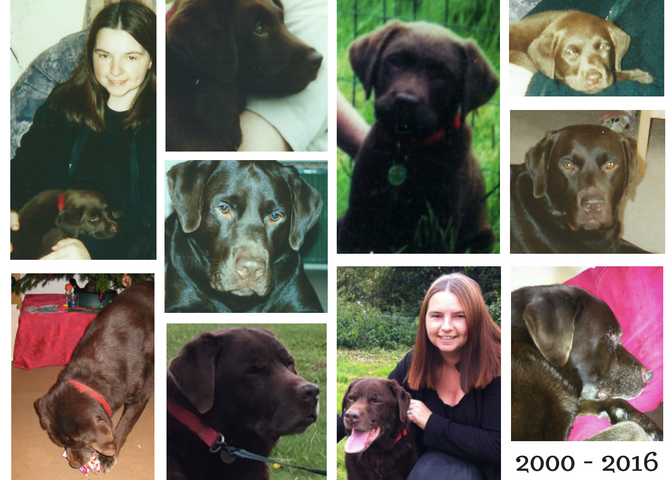
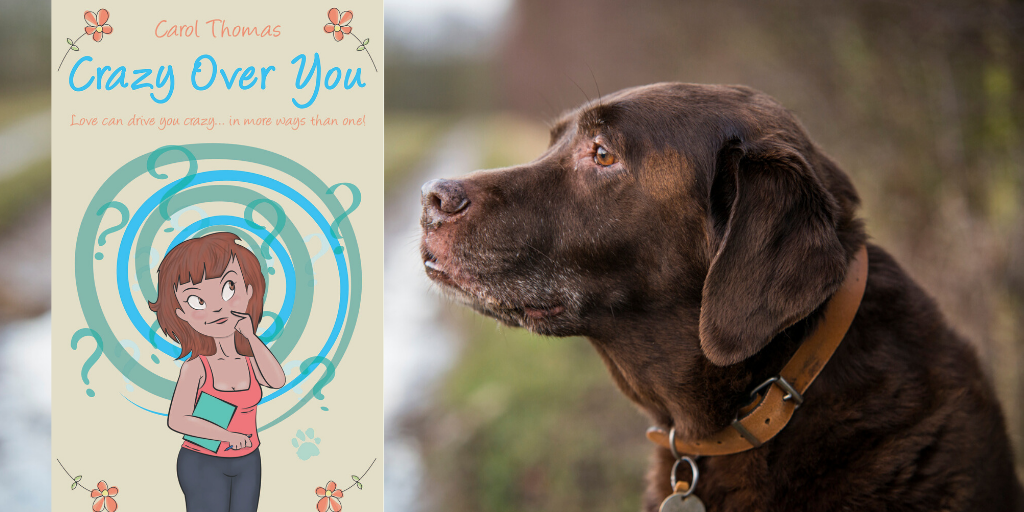
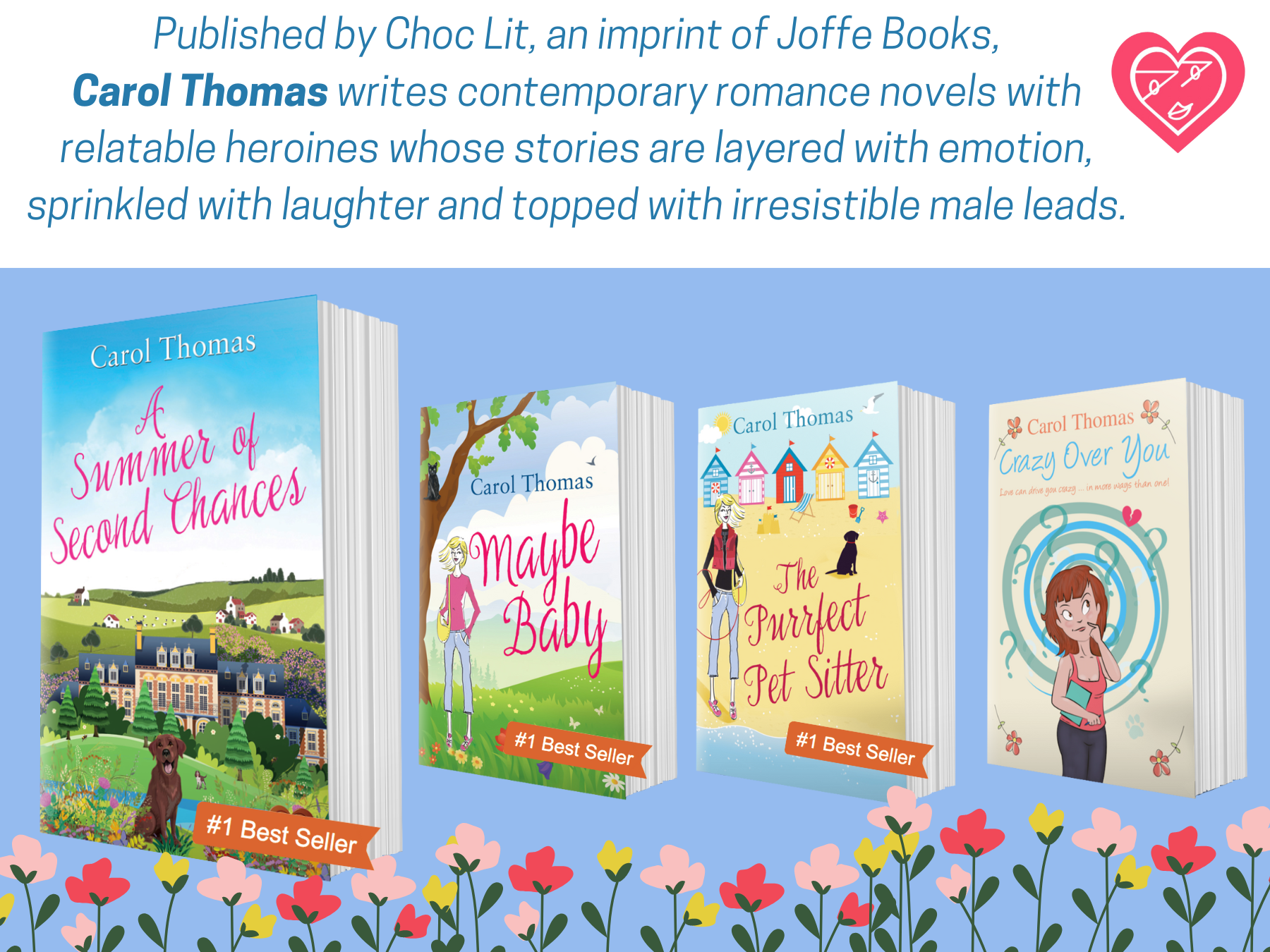
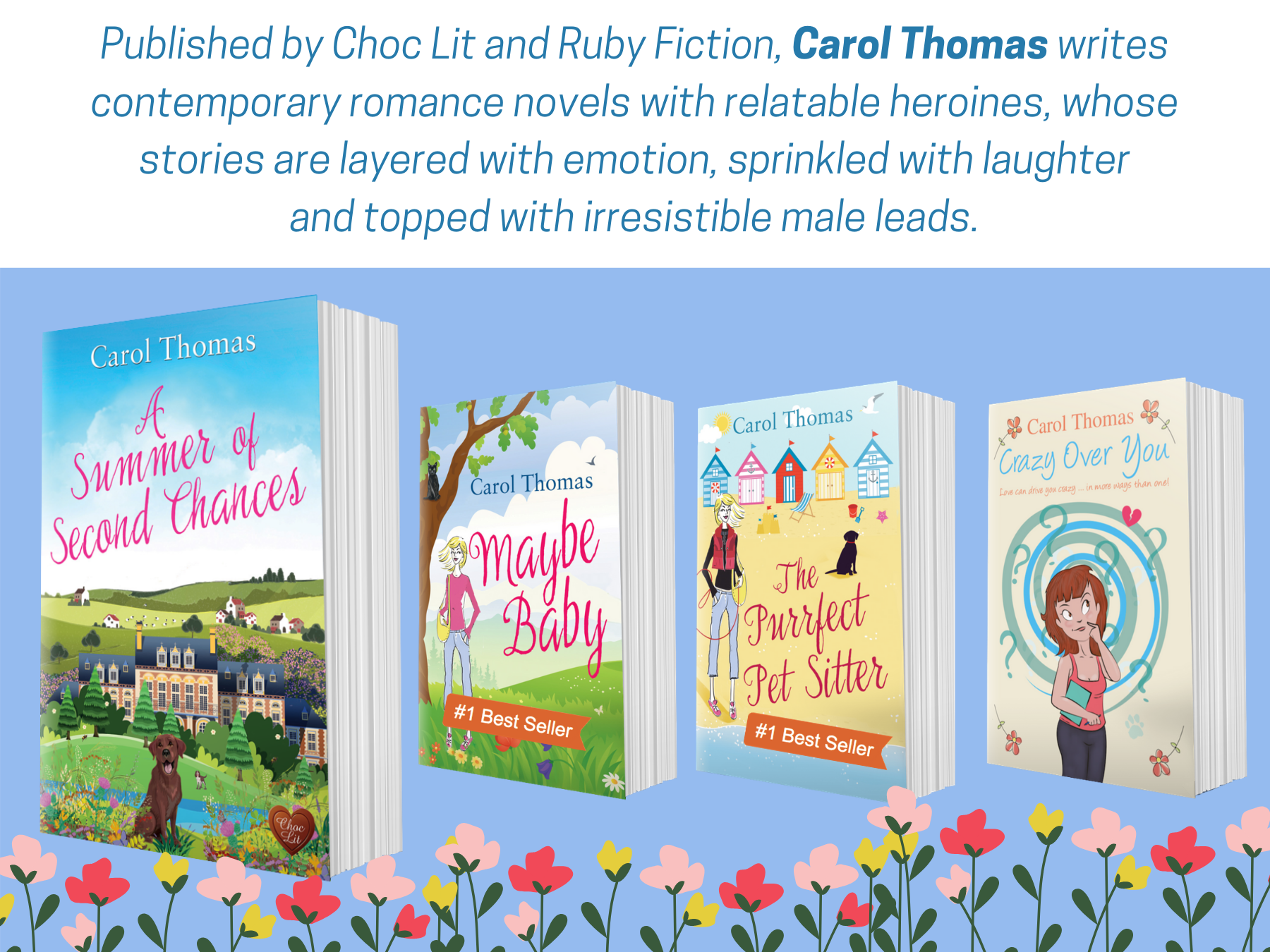
Benson, my chocolate Labrador, was my constant companion and best (furry) friend for almost sixteen years. I could rely on him for a cuddle no matter what the ups and downs of life. He was the most loveable and loyal of dogs. When writing my first novel, Crazy Over You, I knew I wanted to weave him into the story.

After discovering her husband has had an affair, my protagonist, Abby, is at a crisis point in her relationship. She feels betrayed, confused and isolated. While her world is falling apart, her chocolate Labrador, Bramble (who shares many qualities with Benson), remains her constant support. He epitomizes the themes of love and loyalty and is the perfect companion for Abby.

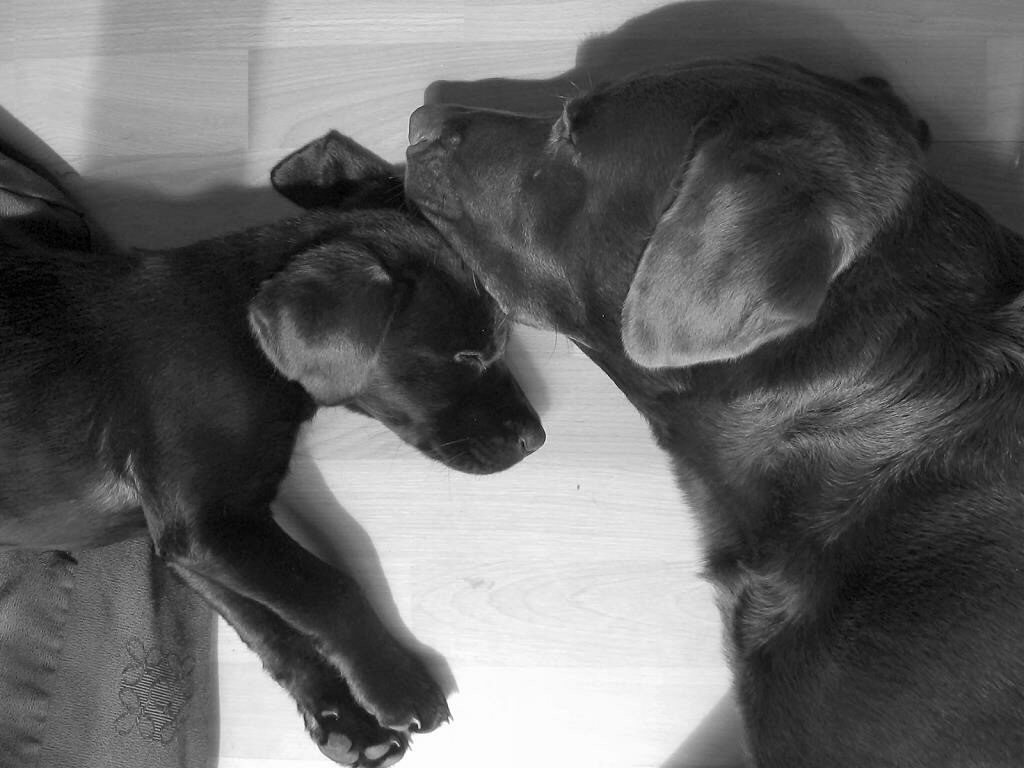
Three years after getting Benson, we found him a friend, Milo. Milo was a slightly wonky-eyed boy with an independent spirit, a variety of quirks and a lot of love to give. He and Benson quickly became very close.

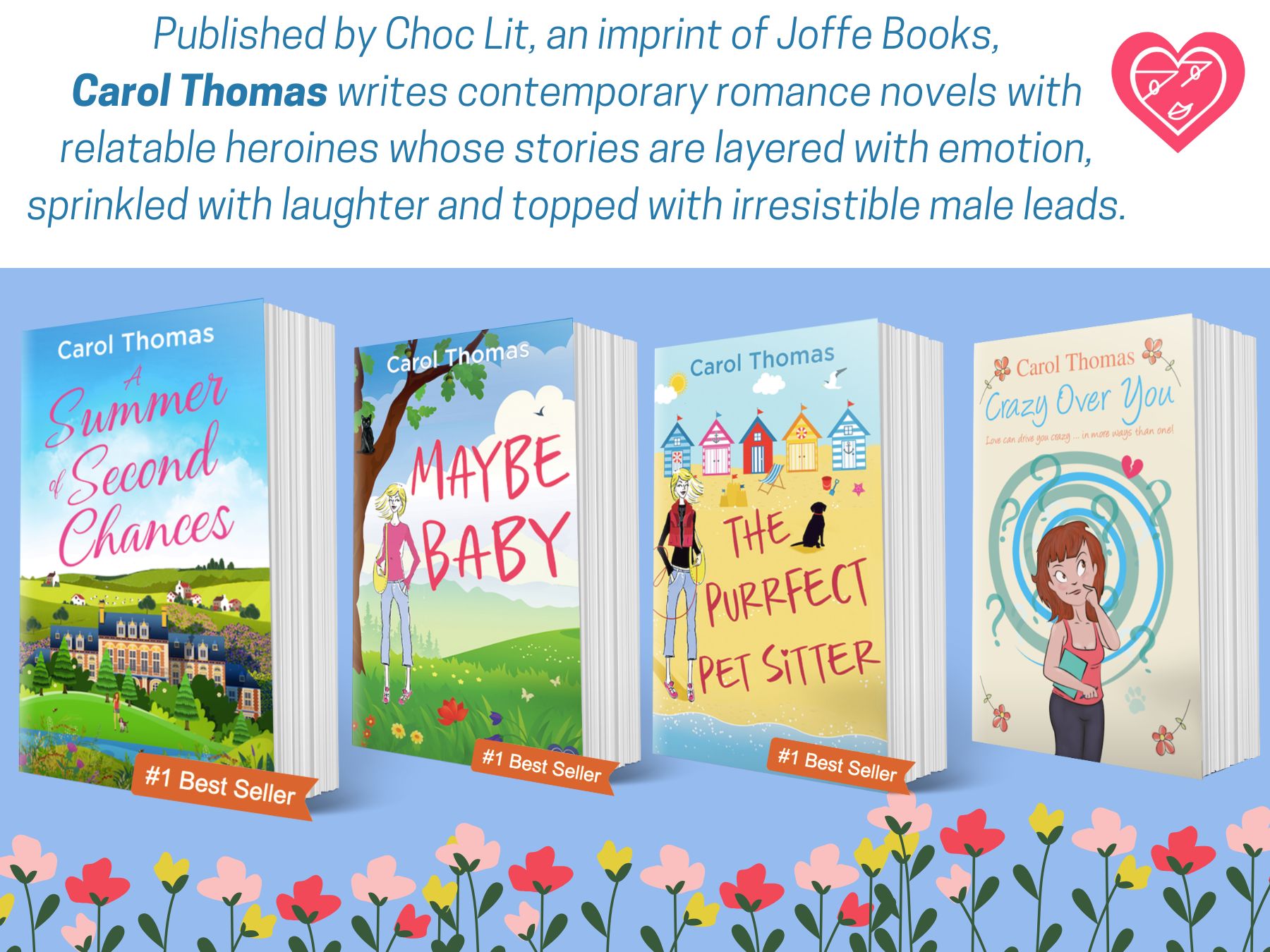
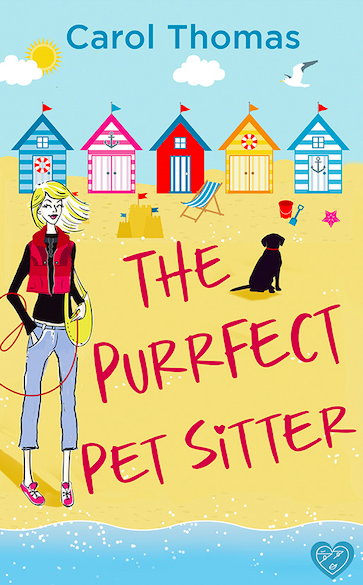
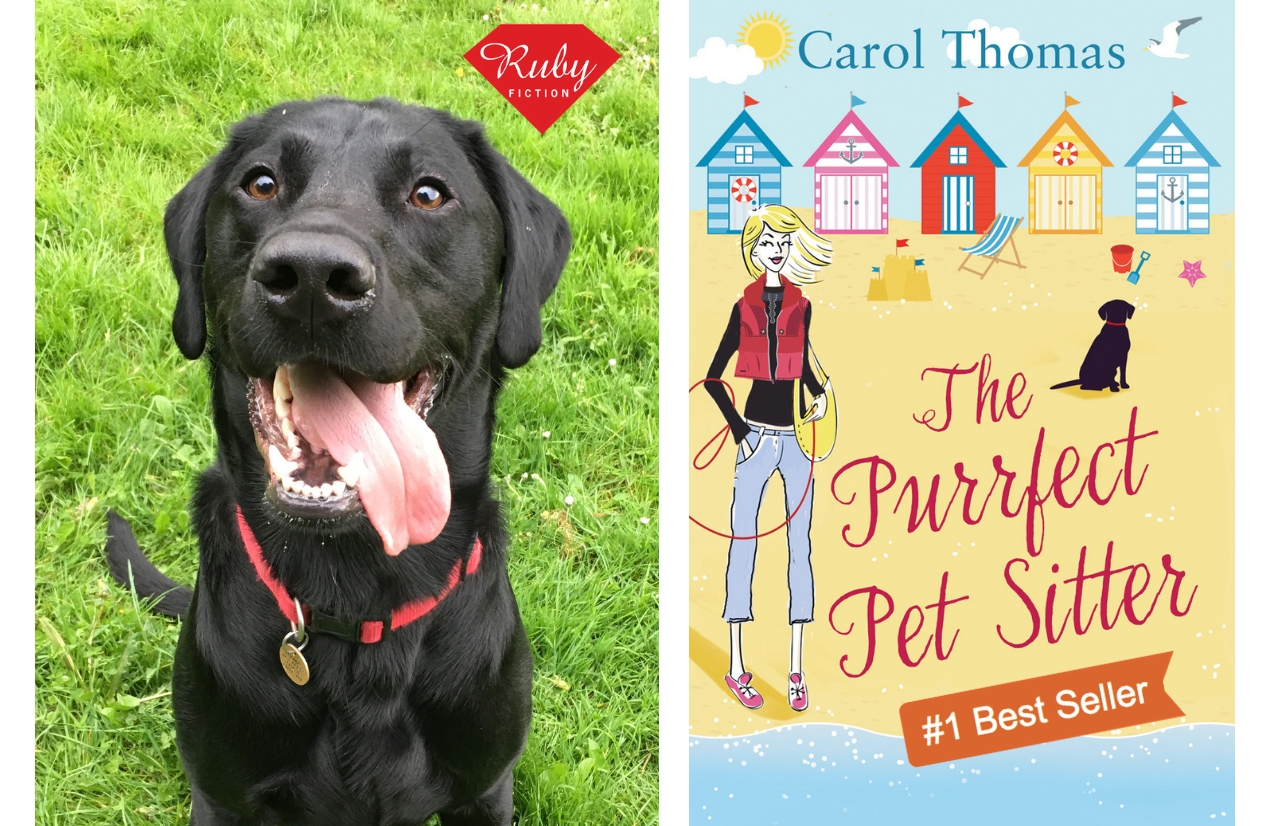
Milo inspired Jack, in my second novel, The Purrfect Pet Sitter. Jack is a similarly wonky-eyed black Lab, the beloved pet of Winnie, the first client to put their faith in Lisa Blake as she embarks on her new career.

One of my favourite scenes involving him is the opening chapter in which he has slipped his collar. In Lisa’s search for Jack, she has a chance encounter with a mysterious man in leather; Lisa finds him frustrating, whereas Jack seems to have him on side.

Another of my favourite scenes comes when Lisa and Winnie take Jack to church for a service in honour of St Francis of Assisi (patron saint of animals). Writing the scene in the church was a lot of fun. I don’t want to give anything away, but I will say that what Jack does to a Yorkshire terrier actually happened. Albeit, Benson was the one guilty of this misdemeanour in one of his early training classes, in which he, being a Labrador, was much larger than his smaller breed puppy pals.

Jack gets up to a few cheeky antics in the book. Some were inspired by my second black Lab, Hubble, who sadly passed away at a far too young age.

He was a bundle of energy and stars in adverts and the book trailer for The Purrfect Pet Sitter!

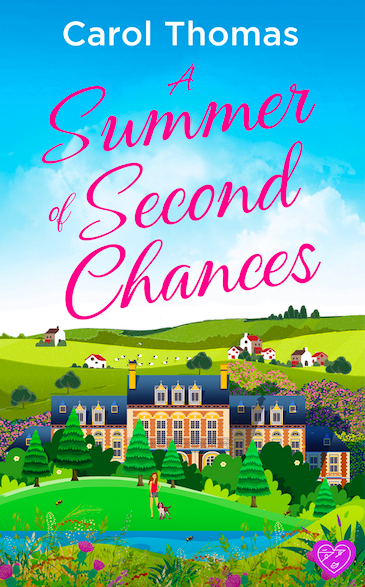
In my most recent novel, A Summer of Second Chances, Granger, the chocolate Labrador of the Bramlington family, comes from a long line of esteemed pedigree dogs. However, like his owner Henry (Lord Bramlington of Dapplebury), who finds living up to familial expectations difficult, Granger knows where his affections lie and forges a new path.

I love incorporating dogs into my stories; they add warmth and, being good judges of character, offer another perspective to the story.

After the sadness of losing Hubble, I was sure I wouldn’t have another dog. I had been blessed with three wonderful boys and knew I was lucky to have them. … that was until I saw Luna, a rescue dog needing a loving home. Luna had spent the first two years of her life in a barn, being used for breeding. She is our first female dog, our first rescue and our first yellow Labrador. She’s come a long way in the short time we have had her. She has learned to play with toys, accept treats, be walked, have cuddles, relax, trust, and snuggle up on the sofa. She is adorable, and it is a privilege to see her increasingly realise that life is full of love and fun. And the reason I am introducing her now? Well, I am sure she will appear in one of my books in the future.

Thank you for reading about my dogs. And if you enjoyed this post look out for others coming over future weeks as other writers share the animals that have inspired the paws in their prose.


Find me on Facebook and X (Twitter).

Meet Three Characters from The Broken Vow.

I am delighted to welcome Luisa A. Jones to my blog as she discusses three of the characters from her latest novel, The Broken Vow. Congratulations on the new book, and over to you Louisa …

The main character in this book is Charlotte Fitznorton, a spoiled girl of nineteen and the rather obnoxious stepdaughter of the heroine in the previous book, The Gilded Cage. I was keen to explore Charlotte’s story further, as despite being so unpleasant in the earlier book, I felt she deserved a chance to become a better person. The most plausible way to bring this about was to make Charlotte suffer – we authors can be so cruel! Charlotte could only come to a better understanding of the world and of other people by experiencing loss, hardship and responsibility. By ensuring that her comfortable existence was tipped upside down, I could teach her some valuable lessons and bring out a more likeable side to her character. However, she needed a reason to truly change. Charlotte’s initial motivation for action is selfish: she’s desperate to save her plans to marry into the aristocracy. It’s only later on, with help from her friends, through hearing differing perspectives on her family’s past, and through hard work, that she comes to question whether she’s actually on the right path.

Another important character in the book is Maggie Cadwalader, also a minor character from the previous book. As a working-class girl, Maggie’s life is very different from Charlotte’s, but in the course of the story, their paths come to cross. In The Broken Vow, as in The Gilded Cage, I was keen to explore the lives of ordinary working people as well as the rich and to show how the Great War changed people’s lives, whatever their class. Women on the home front made a vital contribution to the war effort, a contribution which, in my view, hasn’t been adequately acknowledged. In creating Maggie’s story of dangerous work in a munitions factory, I hope I’ve been able to offer some recognition of what so many women might have experienced.

The third character I’d like to mention is new to this book: Charlotte’s friend and role model, the formidable Venetia Vaughan-Lloyd. Like Charlotte, Venetia is a young woman of means. However, her experience of a disability, past heartbreak, and political activism, as well as charitable work, means that Venetia’s awareness of the “real world” is much more developed than Charlotte’s. She’s kind-hearted, forthright, witty and generous, and a character who seemed to take on a life of her own as I brought her into the story. She first starts to influence Charlotte by taking her to a lecture by the suffragette leader, Mrs Pankhurst, which was tremendously fun to write. Venetia likes Charlotte for who she is, but constantly challenges her naïve views and really brings out the best in her, speeding her personal growth.

I hope readers of The Broken Vow will come to love these young women as much as I do!

Thank you so much for introducing your characters Luisa, I am looking forward to reading The Broken Vow and learning more about them. x

About the book:
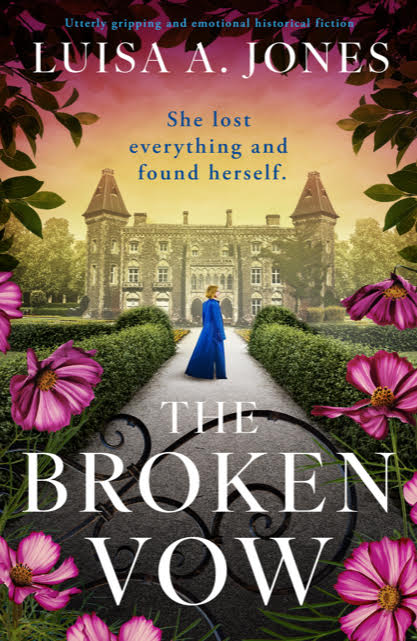
Marriage was what Charlotte had been brought up to. After all, it provided a happy ending for all the heroines in the novels she sometimes read. So it would be for her… right?

Born into luxury, Charlotte Fitznorton has always known a life filled with lavish parties and a line of suitors, all part of a future neatly laid out for her by her father, Sir Lucien. She is to marry well and continue the line at Plas Norton, the family seat. When Eustace Chadwycke – son of a viscount – proposes just before leaving to fight in France, it seems Charlotte’s destiny is perfectly falling into place.

Then, tragedy strikes. Her father dies unexpectedly, and her future hangs in the balance – threatened by her hated stepmother Rosamund’s surprise pregnancy. News of Eustace, returning from the war broken by its horrors, leaves Charlotte fearing her engagement may be as fragile as her inheritance.

Determined to at least save her impending marriage, Charlotte pours her energy into turning Plas Norton into a healing place for Eustace and other war-weary soldiers. But small-minded townspeople, a bossy head nurse, and her newborn baby sister’s arrival push Charlotte to her limits.

Just as hope is slipping through her fingers, a mysterious stranger arrives at Plas Norton. This newcomer holds the power to upend everything Charlotte has fought to preserve. Will she have the strength to protect her legacy, or could this unexpected visitor awaken a desire in Charlotte for a different life altogether?

A beautiful and heartbreaking historical novel, if you loved anything by Fiona Valpy or Lucinda Riley, this book is for you.

Click here to discover more or to purchase.


Also by Luisa A. Jones:
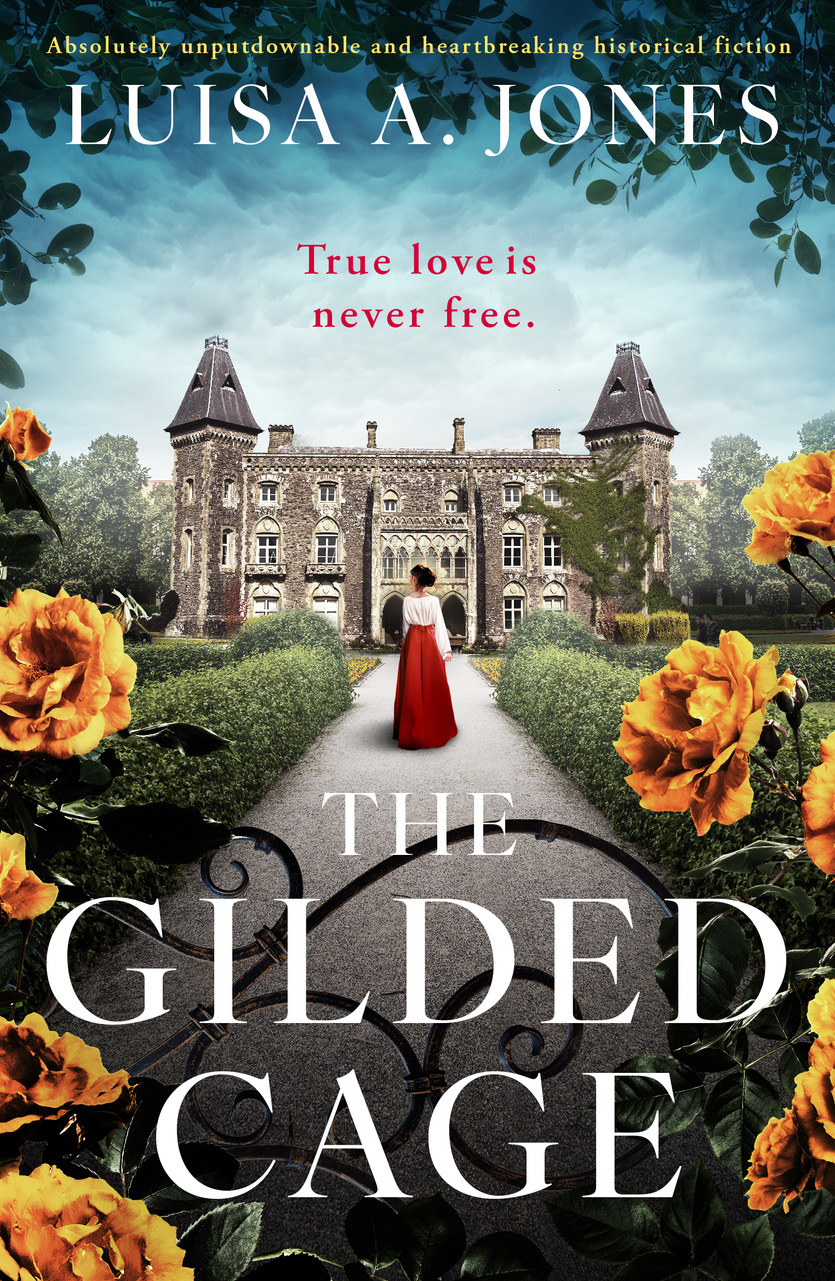
1897. Rosamund bows her head and steps slowly down the aisle. The satin of her gown whispers against the stone floor and a single tear falls into the bunch of yellow roses twisted in her trembling hands. Despite rumours of his cruelty, Rosamund has no choice but to become this man’s second wife.

After her wedding, Rosamund finds herself trapped in Sir Lucien Fitznorton’s lonely country estate. As she wanders the chilly halls, made shadowy by drapes of heavy velvet, she longs for the lost comforts of her childhood home, where she was the beloved only daughter to a doting father, now buried miles away. As a young woman with no fortune of her own, only death can release her from this misery.

Until she meets Joseph, her husband’s gruffly handsome new chauffeur. With his mop of salt-and-pepper hair and lilting accent, Joseph is from another world. One of clambering children and tea at scrubbed kitchen tables, the hollow scratch of hunger and long hours of hard work. Despite their differences, they find themselves increasingly drawn to one other.

But Sir Lucien is not only cruel, he’s devious too, and soon Rosamund finds herself caught in a dangerous web of secrets and lies. Is Rosamund’s fragile marriage nothing but a golden cage, trapping her between two men who desire her… and to what end?

One holds her captive and the other offers a hope of escape… but who really holds the key to Rosamund’s gilded prison?

A gripping and emotional historical novel, fans of Lucinda Riley and Tracy Rees won’t be able to put this book down.

Click here to discover more or to purchase.


About the author:

Luisa A Jones lives in South Wales, and takes inspiration from the Welsh countryside, towns, history, and of course its people. Her writing explores the dynamics within relationships, the pressures that mental health issues can exert on people, and how these can be overcome.

Luisa studied Classical Studies at Royal Holloway and Bedford New College, University of London. Her previous jobs have included tour guide in an historic house; teacher in both primary and secondary schools; careers adviser; and corporate trainer/assessor.

Luisa loves using her creativity for crafting and baking, as well as writing historical and contemporary fiction with romantic elements. She and her husband are the proud owners of Gwynnie, a Volkswagen camper van built in 1974, which inspired the story behind Luisa’s first book, Goes Without Saying. They have three children, a dog, and two cats.

Becoming an author fulfilled a lifelong ambition. Her first historical novel in The Fitznortons series, The Gilded Cage, was released by Storm Publishing in 2023, followed by the sequel The Broken Vow in January 2024.

Discover more about Luisa A. Jones and her work here: websiteX (Twitter)FacebookInstagramThe Broken VowThe Gilded Cage


Location, Location, Location with Rosie Travers!

Today, I am pleased to welcome first-time visitor Rosie Travers to my blog. Rosie and I are both members of the Southern Chapter of the RNA, but it has been a while since we have caught up, and so I am delighted that Rosie has stopped by to talk about the location of her latest novel, Trouble on the Tide.

The Isle of Wight is England’s largest island. Just twenty-three miles across from east to west, this diamond-shaped little gem is just two miles from the mainland at its closest point. Most people probably associate the island with the annual music festival or the sailing regatta of Cowes Week, but growing up just across the Solent in Southampton, visits to the island are embedded in my childhood and teenage memories; picnics on the vast sandy beach at Ryde, losing my pocket money in amusement arcades, stays at Hi-de-Hi style holiday camps…

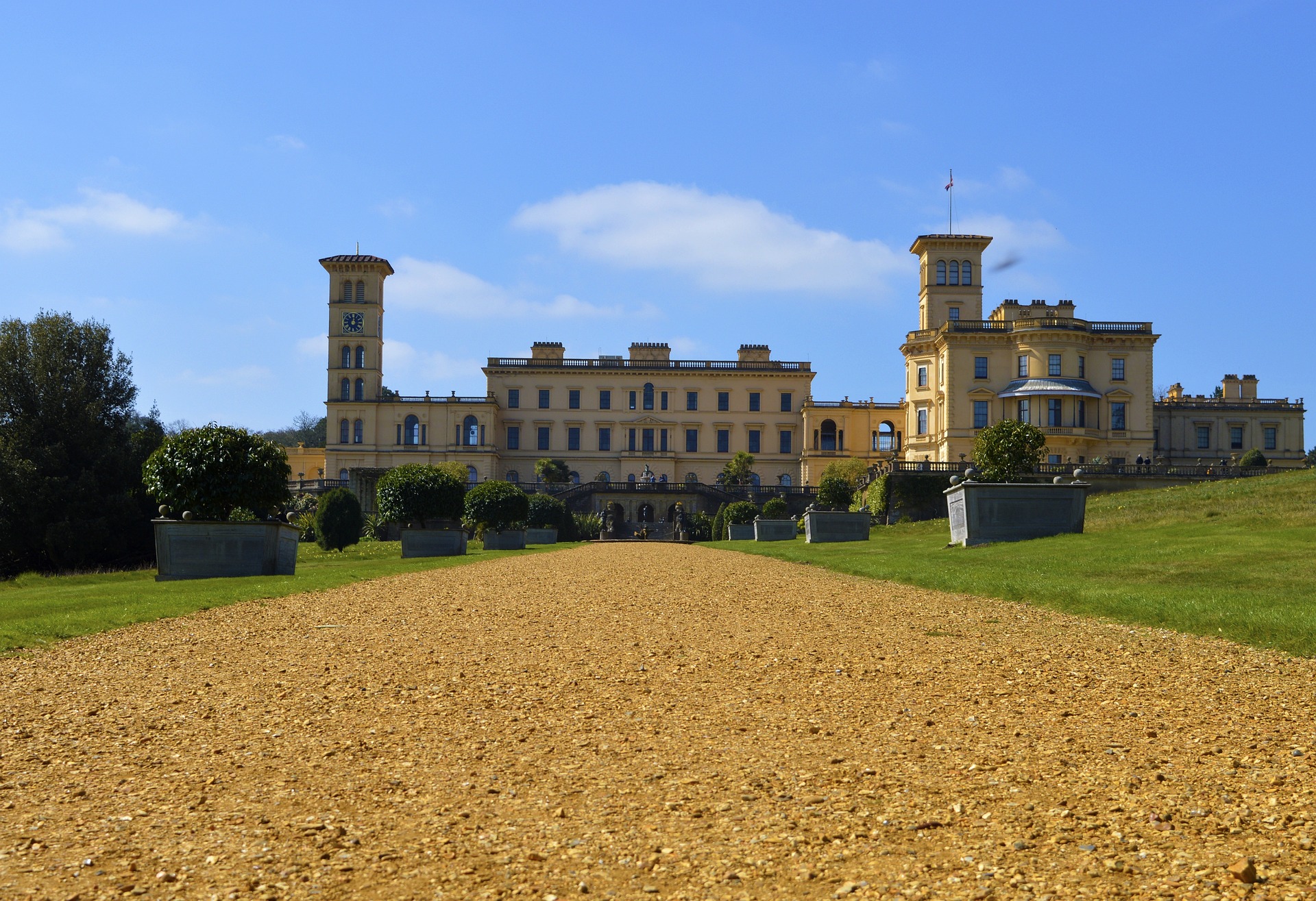
Perhaps because it was “always there”, I took the island for granted.  It wasn’t until we returned to the UK in 2017 after a ten-year absence that I began to appreciate this treasure on our doorstep. Resettling back into our native Hampshire, we set out to explore our local area with the same vigour we’d adopted when living abroad. When you move somewhere new, especially overseas, you tick off a whole host of historical monuments and natural wonders. I realised we’d never been to Osborne House, Queen Victoria’s holiday home, so we took a trip over to the island, had a fantastic day out, and became smitten.

Osborne House

Several day trips later, we were on a blustery winter walk along the deserted esplanade at Shanklin when the idea for a story hit me. It was only a vague idea, but when I combined it with another half-baked plot already brewing, I realised I had the potential to create a whole series of cosy mysteries set on the island. My sassy ex-pro-golfer amateur sleuth Eliza Kane was born. The series is meant to be fun and entertaining and just a little eclectic – a bit like the island it’s set on. Injury has forced Eliza to take early retirement, so she takes up the challenge of solving crimes. Each book is set in a different location on the island so readers can have a virtual tour – and there’s a lot to see.

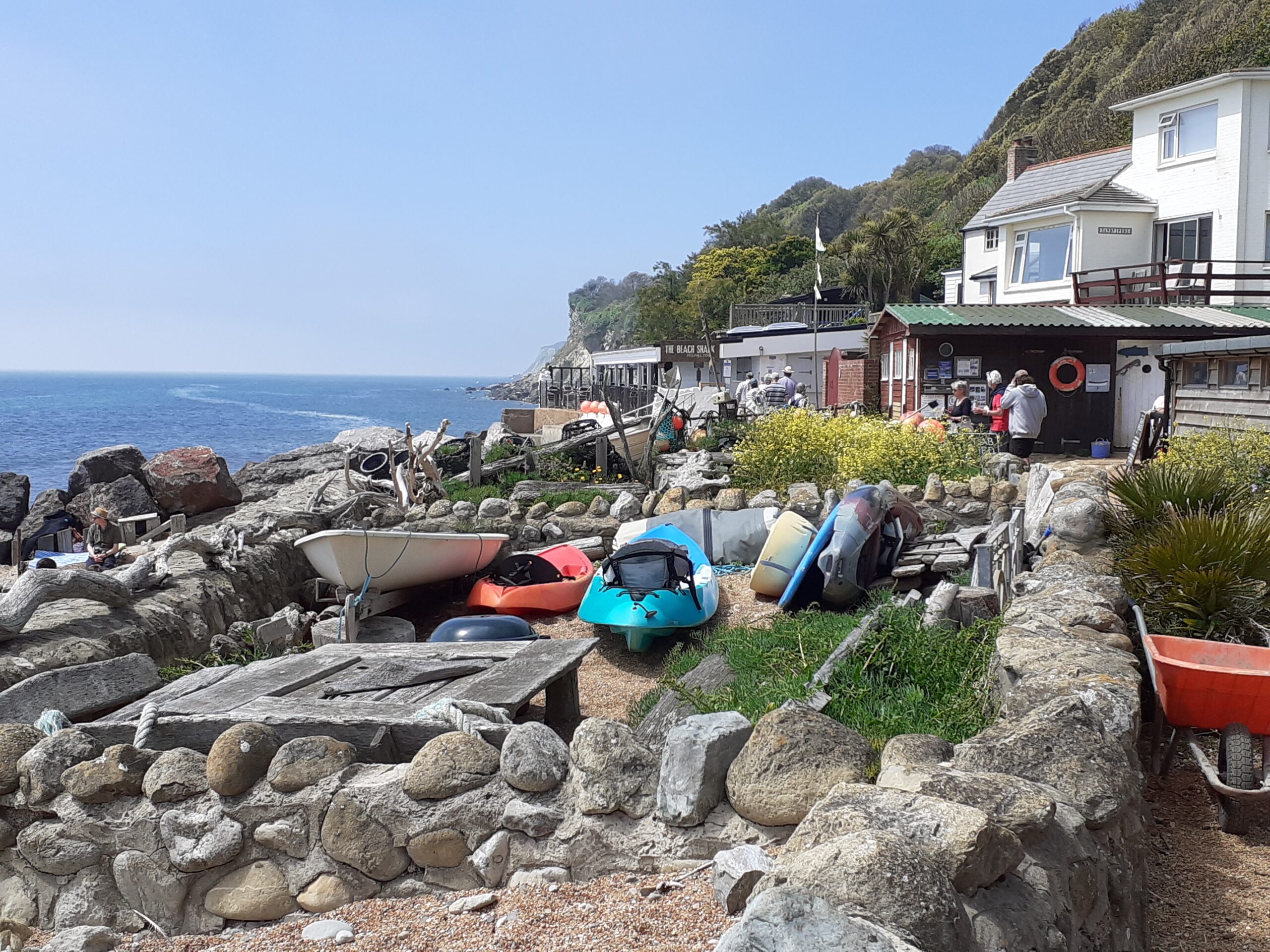
Local mainlanders always used to joke that visiting the island meant turning your watch back 40 years, but that’s most definitely changed.  In 2021 I walked the entire 70 miles of the coastal path and saw the island from a totally new perspective. While Ryde and Sandown still retain that old-fashioned kiss-me-quick ambience and Ventnor has a shabby-but-chic Victorian charm, picturesque Steephill Cove has become hip and trendy with the youngsters.

Steephill Cove

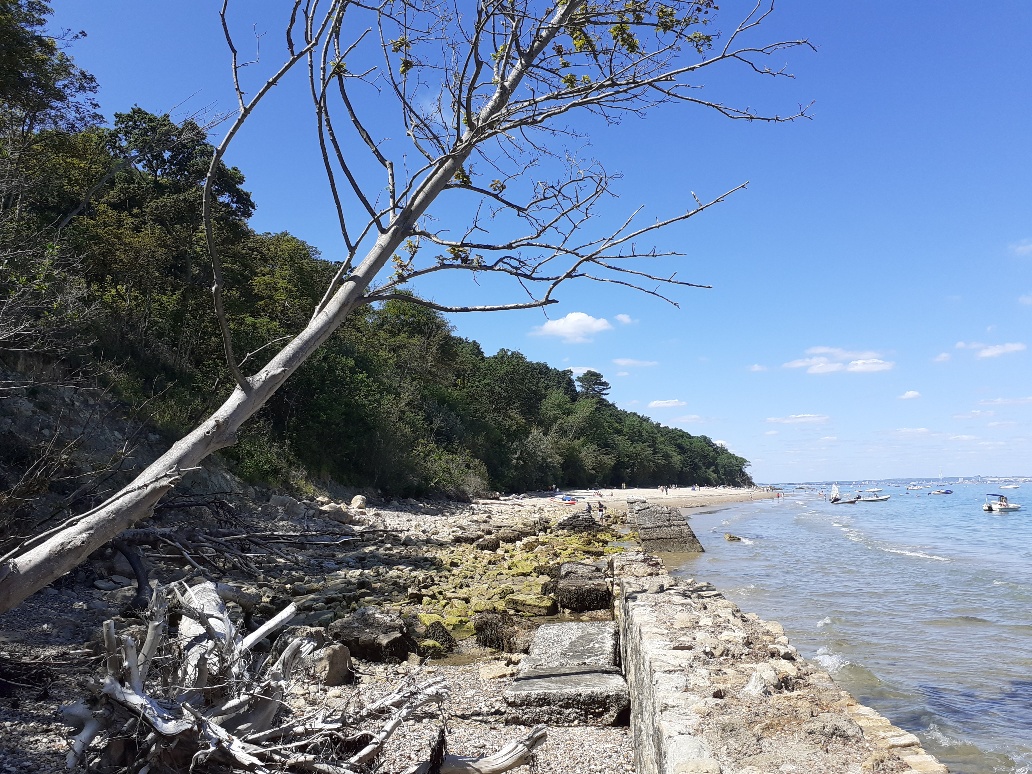
The bijou former fishing village of Seaview is now much sought after amongst second-home owners, while neighbouring Priory Bay, with its white sand beach reminiscent of the Caribbean, is only accessible by sea or on foot at low tide.

Priory Bay

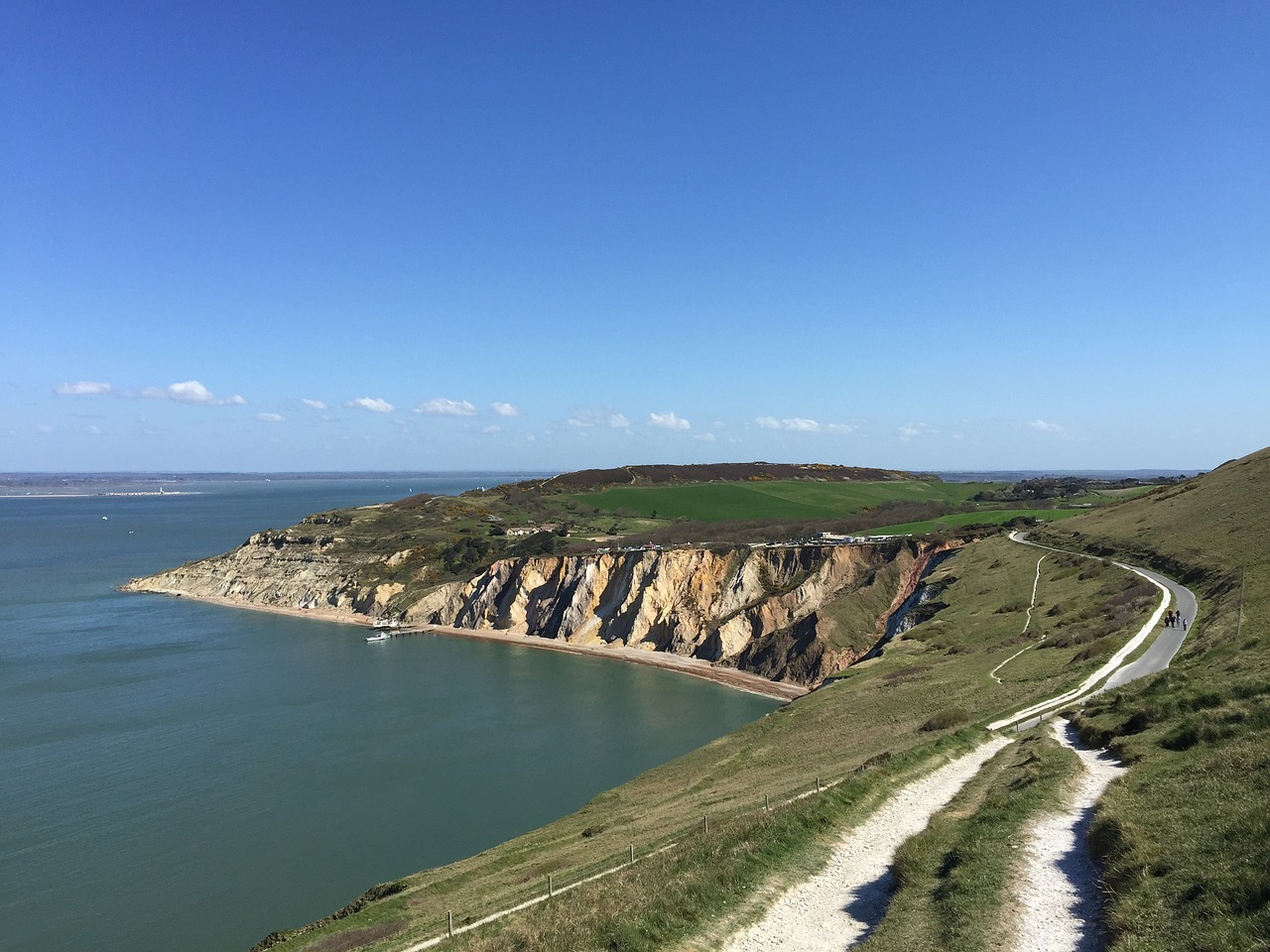
From bustling Cowes to the saltmarshes at Newtown Creek and onwards to the stunning chalk and sandstone cliffs and lush rolling downs of the south coast, this is an island that really does have something for everyone – and bag loads of inspiration for a writer!

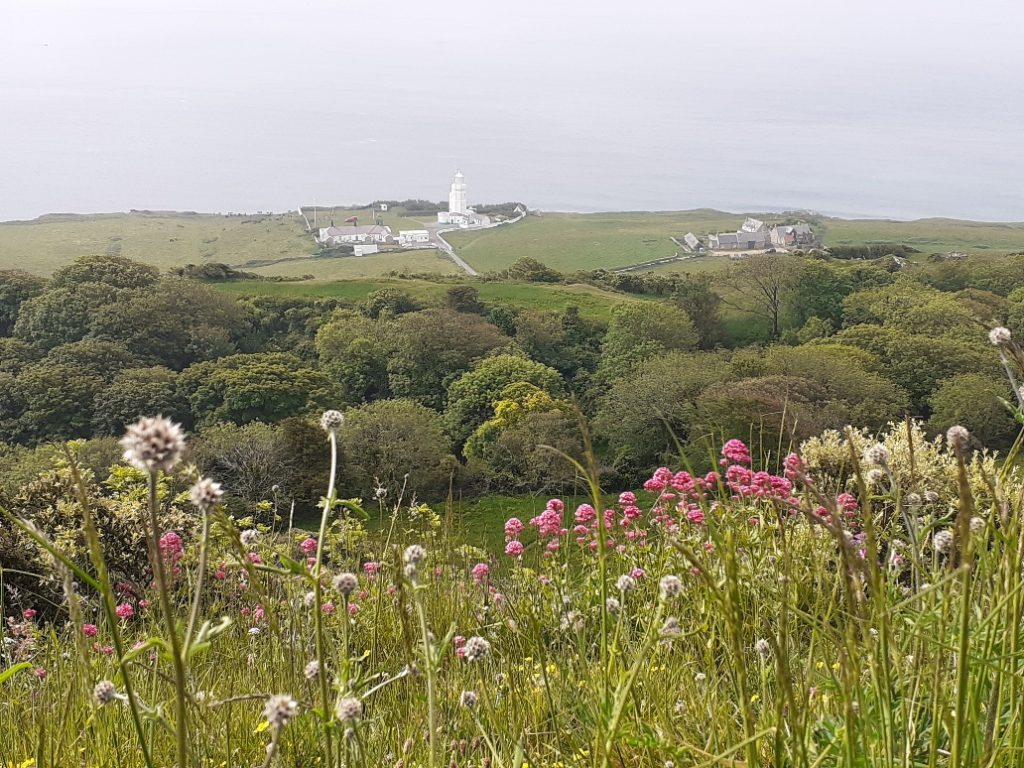
St Catherines Lighthouse

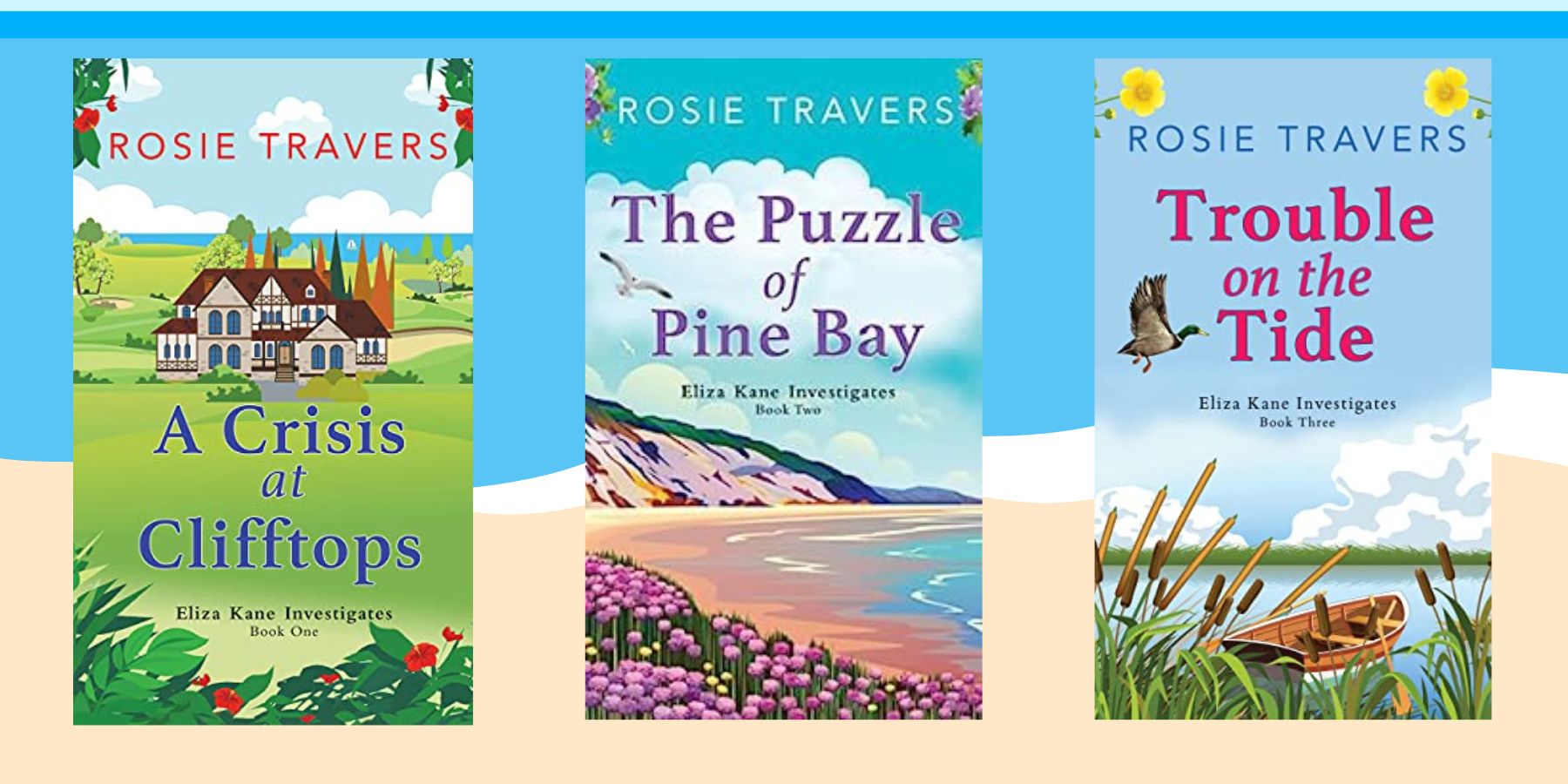
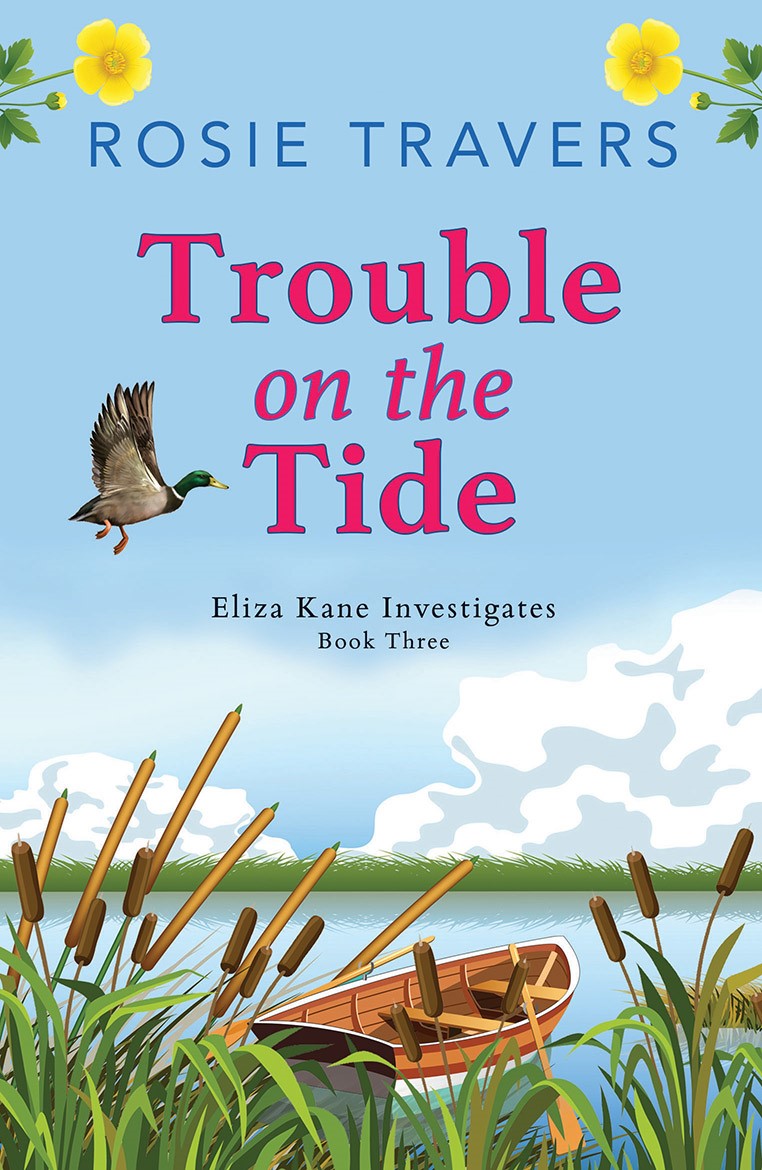
The third book in my Eliza Kane series will be published on June 27.

Thank you for sharing your passion for the Isle of Wight. I love the look of your cosy crime series, Rosie, and I look forward to reading them. I wish you every success with Trouble on the Tide! xx

About the book:

When Isle of Wight restaurant owner Stewie Beech is found dead in a dinghy abandoned in picturesque Newtown Creek, the police conclude he died of a heart attack. But just days before his death Stewie discovered he’d been the victim of a serious case of art fraud, and his grieving widow Pilar is convinced the two events are related.

Forty years ago Stewie Beech and Eliza Kane’s dad Ian were best friends. When Ian returns to the Island after a thirty-year absence to attend Stewie’s funeral, he promises Pilar he will seek out the swindlers who conned her husband and bring them to justice.

A freak accident lands Ian on Eliza’s doorstep and she is roped in to help out. Ex pro golfer Eliza isn’t used to having family around and father and daughter soon clash, and not just with their conflicting theories about the mysterious circumstances leading up to Stewie’s death. Eliza is committed to promoting her golfing for girls initiative and has a love-life to sort out. She wants to solve the case and send her dad swiftly back to his native Yorkshire. But with few clues to go, Ian Kane is in no rush to go home, and it soon becomes clear he harbours secrets of his own…

Purchase here.

 About the author:

Rosie Travers grew up in Southampton on the south coast of England. She loved escaping into a good book at a very early age and after landing her dream Saturday job as a teenager in WH Smith, she scribbled several stories and novels, none of which she was ever brave enough to show anyone. After many years juggling motherhood and a variety of jobs in local government, Rosie’s big break came after she moved to Southern California when her husband took an overseas work assignment. With too much time on her hands, she started a blog about ex-pat life which rekindled her teenage desire to become a writer. On her return to the UK she took a creative writing course and the rest, as they say is history.

Trouble on the Tide is Rosie’s fifth novel and the third in a series of fun cosy mysteries set on the Isle of Wight featuring professional golfer turned amateur sleuth Eliza Kane.

Discover more and connect with Rosie here: Website | Twitter | Facebook | Instagram | Amazon | RNA


Location, Location, Location with Jan Baynham!

Today, I am joined by fellow Choc Lit author Jan Baynham. I love Jan’s novels and the locations her stories take me to, so I am delighted to hear there is another coming soon. In this post, Jan reveals the setting of her forthcoming novel and shares her wonderful research; over to you, Jan…

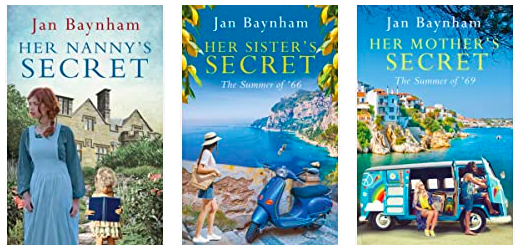
My novels are all partly set in rural mid-Wales, the area where I was born and brought up, and partly in a contrasting location. Creating a sense of place and an authentic world for my characters to live in is one of the aspects of writing I enjoy. As well as visiting beautiful Radnorshire in my latest novel, readers are transported to the Mediterranean island of Sicily with its stunning scenery, magnificent ecclesiastical buildings, fascinating history and, of course, its wonderful weather. It’s where my character, Carlo, an Italian POW who is interned in a camp in the heart of the Welsh countryside, is from. He’s left behind a secret, and after his death, his daughter travels to Sicily to find out why her father could never return. I’ve tried to capture what it was like for Claudia visiting the island for the first time.

Last summer, my first visit to Sicily proved an excellent way of experiencing what it was like for Claudia. The city of Porto Montebello is fictional but based on the real places I visited, with the presence of Mount Etna in the background. As Claudia walks to find the pensione where she’ll be staying, she’s struck by the city’s straight streets and their tall buildings with shuttered windows and balconies so different from her home village.

The area has stunning architecture and churches everywhere you look. In the novel, Claudia has enrolled on an art history course so I made sure I visited the beautiful duomos in Catania, Taormina and Ortigia where I found examples of the type of paintings she’d be studying.

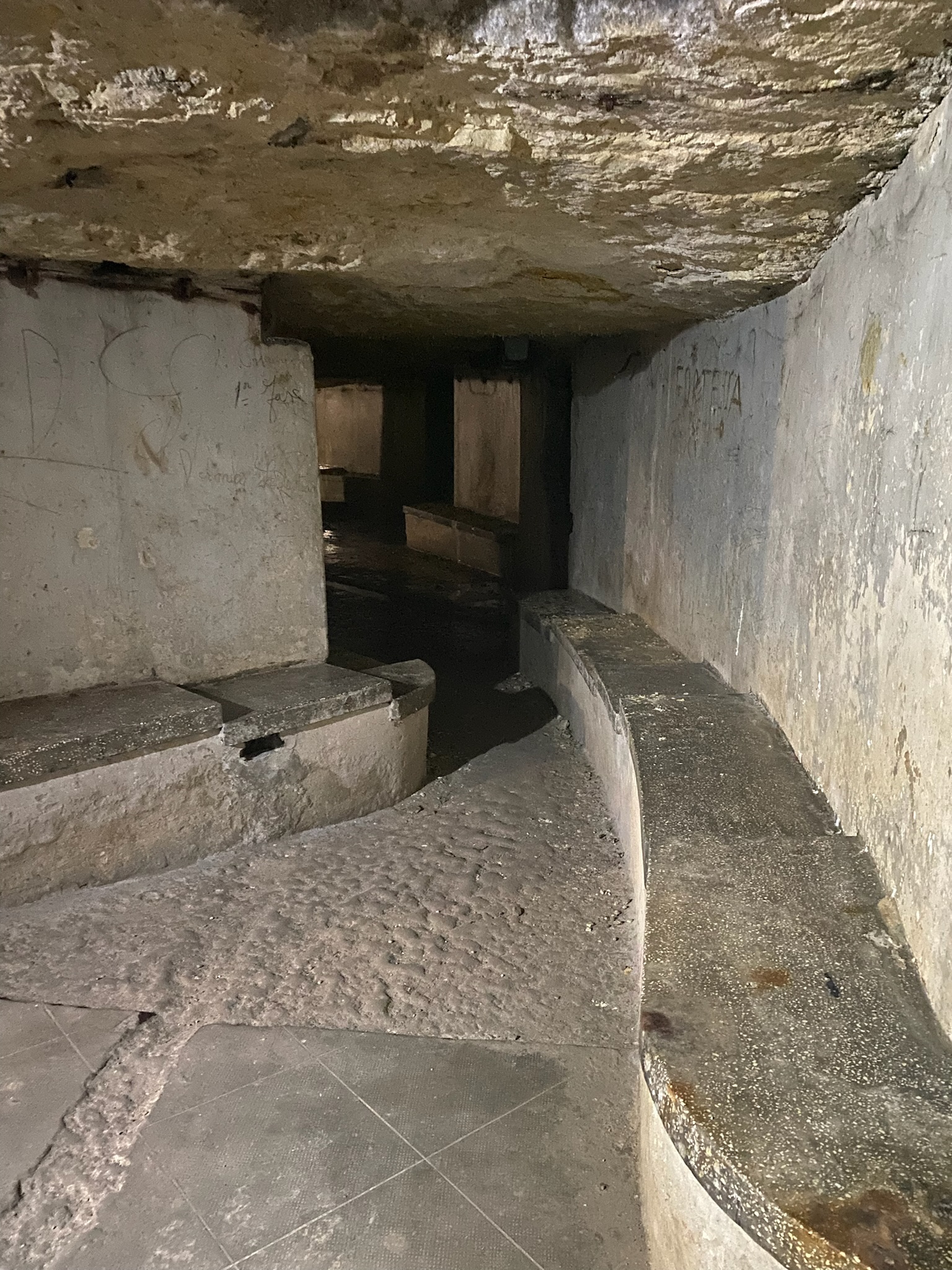
In the early part of the novel in WW2, Carlo’s mother shelters from the bombing in tunnels under the duomo. A highlight of my research was to visit one such shelter and try to experience how she must have felt night after night. The tour guide, Roberto, was excellent in giving so much information about what life was like down there for the inhabitants of Ortigia.

Another tour I booked in advance was a visit to Casa Cuseni in Taormina. The villa was built at the beginning of the twentieth century by Englishman, Robert Kitson and became an international artistic centre hosting celebrities from the world of literature and painting. This stunning villa is the inspiration when I imagined Casa Cristina in my book. The garden was full of symbolism in its design and the sea views from the villa were amazing.

No visit to Sicily would be complete without a boat trip. After the underground tour of the tunnels, I ended my day with a trip around the island of Ortigia. Our boat man pointed out places of interest, the heart-shaped cave and took us to admire the stalactites, stalagmites and corals in another. This experience inspired how Claudia feels when taken on boat trips.

I hope that being on location in Sicily will have made the setting more real for readers. Visiting the places that Claudia does, eating the same foods and enjoying the hot sunshine as she did all came back to me as I wrote those scenes.

About the book:

With the working title of A Tale of Two Sisters, my fourth novel is due to be published by Choc Lit, an imprint of Joffe Books, in July.

Set in rural mid-Wales and Sicily in different eras, the novel deals with secrets, forbidden love, sibling relationships and forgiveness. There’s an immediate attraction between young widow Sara Lewis, and Carlo Rosso, an Italian POW, even though fraternisation between the POWs and local women is forbidden. At the camp, former artist, Carlo, is tasked with leading a team of prisoners to create a chapel in a disused Nissen hut using scrap and found materials. He busies himself with that intending to forget about Sara. Can he succeed? Prisoners are given more freedom in September 1943 when Italy capitulates and is no longer an enemy of the Allies, but a relationship between Sara and Carlo is still not allowed. After the war, when it’s eventually safe to leave Wales, Carlo stays on as he’s harbouring a secret that means that he cannot return to Sicily. After his death in 1968 and finding letters he’d kept from his mother, Claudia travels to the city where he grew up to find out why. She is shocked by what she finds out but discovers that Carlo has been framed for a crime he didn’t commit. Can she succeed in clearing his name? Who does she get to help her?

This sounds like another great read, Jan. I wish you every success with it and look forward to it landing on my Kindle in July. xx

All of Jan’s novels are available on Amazon. Click here to find out more.

Her Nanny’s Secret is also available at all good bookshops.


About the author:

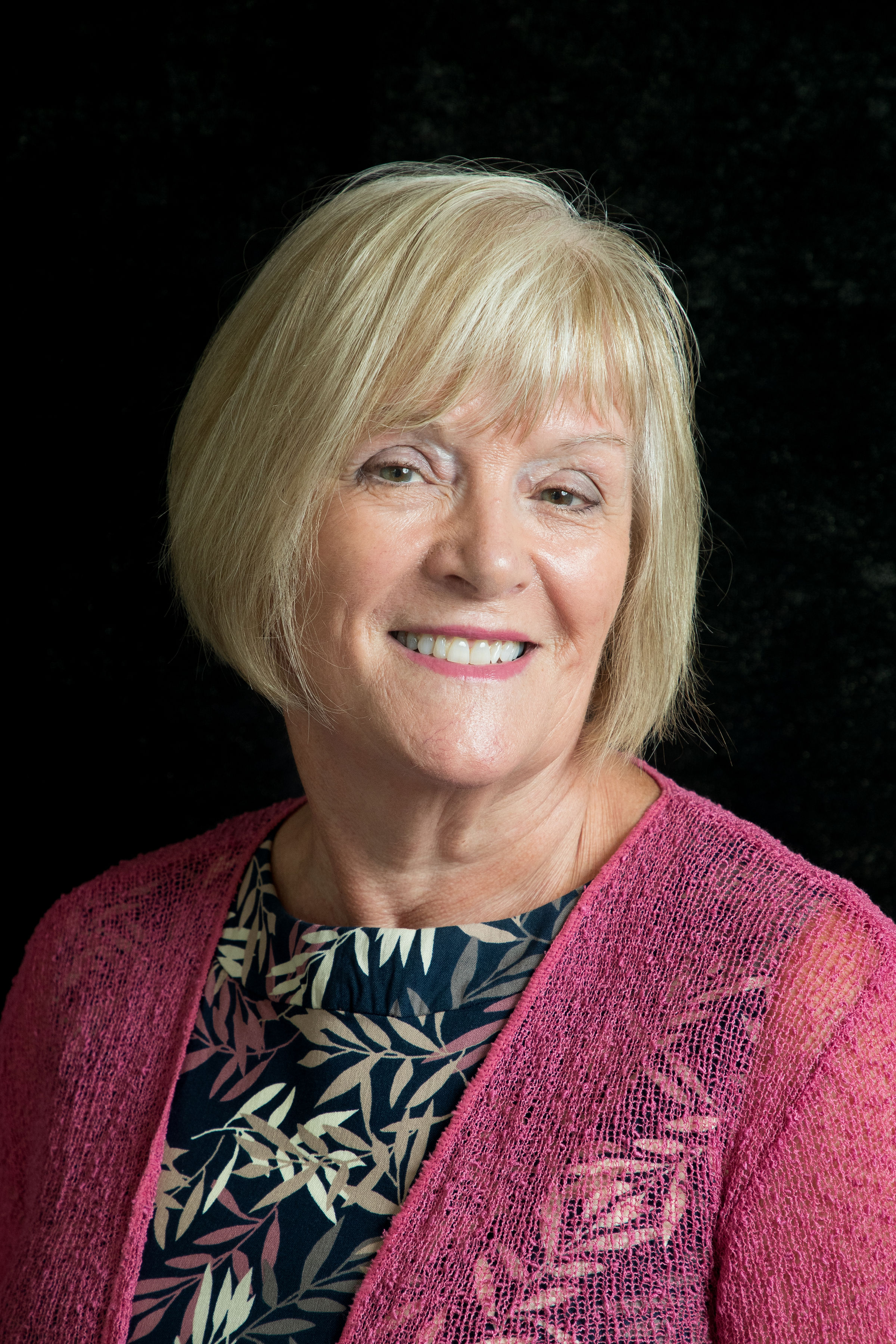
Fascinated by family secrets and ‘skeletons lurking in cupboards’, Jan Baynham’s dual narrative, dual timeline novels explore how decisions and actions made by family members from one generation impact on the lives of the next.

Setting and a sense of place plays an important part in all of Jan’s stories, and as well as her native mid-Wales, there is always a journey to a contrasting location from the heart of Wales, where my characters are always from.

Originally from mid-Wales, Jan lives in Cardiff with her husband.

Find out more about Jan Baynham and her novels here: Website/Blog | Twitter | Facebook |


Writing and Mental Health with Ella Cook.

Today, I am delighted to welcome Ella Cook to my blog as she talks about the importance of writing for mental health; over to you, Ella …

It’s not too much of an exaggeration to say writing is one of the most important things in my life: it’s how I make my living (in the business world), how I met my other half, and how I stay sane.

I was only a teenager in my first year of study when the proverbial rug got yanked from under my feet as I was handed the diagnosis of bipolar. Initially, the treatments and therapy were difficult and confusing. But, as luck would have it, the degree I was studying was Communications, Authoring and Design – so lots of writing was required. And it was that writing which gave me a focus, a place to be, and feel safe amongst all the crazy going on around me.

Writing has brought me through the hardest and worst parts of my life: through stresses, family illnesses, bereavement – and, yes, covid lockdowns. While other people were struggling with the idea of restrictions, I’d disappeared off into a fictional world filled with love and magic and sparkle.

Working in Health & Social Care, where mental health and emotional wellbeing is a specialist interest topic for me, I’m very aware of how useful writing can be from a therapeutic point of view. Research shows that writing can enhance self-awareness and self-understanding, which ultimately decreases depressive symptoms, anxious thoughts and how we experience stress.

Below are a few of the key techniques:

Expressive Writing: Often used in therapeutic settings to encourage people to write about their emotions and stresses and face them in a safe environment. You could think of this as the angry letter you write – to get the feelings out – but maybe never send. Or creating a character to face the scary things in life, so you can ‘try out’ options ahead of time (I do this one a lot!)

Creative Writing: Links very strongly to expressive writing and can give people a way to explore topics that might be too complicated or too overwhelming to put into words – J.K Rowling famously commented that her Dementors were a fictional manifestation of depression (which explains why happy memories in the form of a patronus, or chocolate can beat them).

 Reflective Writing: Regularly used in professional settings to explore self-performance and learning. It’s about asking questions of yourself and seeing how you can learn from experiences. You may well have already done this in supervisions at work or when putting together a CV. It can be a great tool for improving personal and professional relationships.

Getting Started

For a lot of people, there can be a lot of worry about how/where to get started writing, what to put down on that blank page, and whether or not what you write is good or interesting enough. Some people worry about how they can possibly write anything without having built their whole (fictional) world first.

It shouldn’t be that pressured. You can start with a single scene or image. Or one character. Or pick one question. These are called writing prompts. If you go onto any social media platform or search engine and type in Writing Prompts, you’ll get plenty of inspiration. But as it’s mental health week, how about opening a document or beautiful notepad (or, in my house, finding a random bit of paper to scribble on and a not-too-blobby pen) and just spend 5-10 minutes looking at the pretty picture below, and writing down whatever pops into your mind. You might be surprised.

The book I’m currently working on started with the image of a lighthouse. Now it’s heading to 50,000 words and growing!

Thank you so much for the great post, Ella. xx

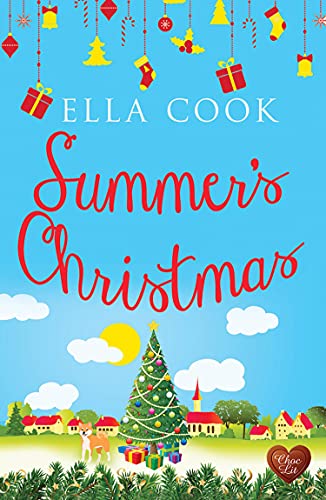
Ella Cook’s novel Summer’s Christmas is currently available in paperback, ebook, audio and is free on Kindle Unlimited.

Bringing the spirit of Christmas to a summer’s day …

Summer by name and summer by nature – that’s how people describe Evelyn’s happy, outgoing daughter. Even if her favourite time of year is actually Christmas!

But Summer has gone through more than any eight-year-old ever should, and that’s part of the reason Evelyn is leaving everything behind to return to her childhood home in the village of Broclington; just her, Summer and Summer’s best friend – a Shiba Inu dog called Tilly. Unsurprisingly, Evelyn is hesitant to let anyone else in, although local vet Jake MacPearson seems intent on winning her trust.

When Evelyn receives the news that every mother dreads, it’s Jake who comes to the rescue. With the help of the Broclington community, could he be the man to bring festive magic to August, and make all of Evelyn and Summer’s Christmases come at once?


About the Author:

Ella is one of those people who is addicted to the written word. She’s been obsessed with books since before she could walk. She decided to become a writer as soon as she realised that stringing letters together in the right order could actually be a career.

She grew up in the outskirts of London, where fairies lived at the bottom of her Grandma’s garden, so it isn’t surprising that she still looks for magic in everyday life – and often finds it.

When she’s not living in a fantasy world of her own creation, she writes bids and develops programmes for children’s services and lives in rural Warwickshire (where there are probably more fairies). She shares her house with two small parrots, one of whom likes to critique her writing from his favourite spot on her shoulder, and her husband, who is ever-loving and understanding and makes her gallons of tea in magical cups that can keep drinks warm for whole chapters.

Discover more about Ella and her work here: Ella Cook Writes.